
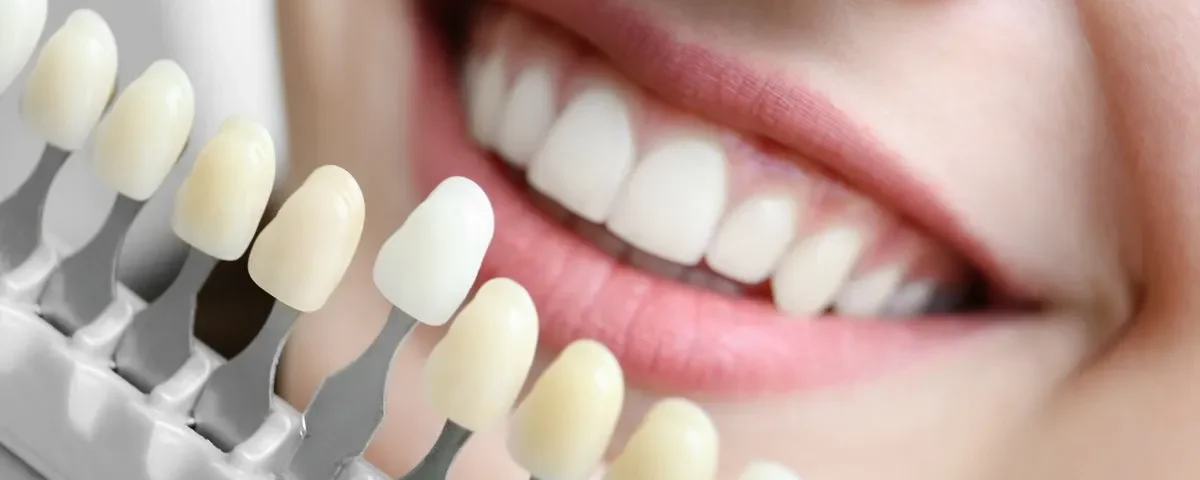
The Science Behind Modern Dental Materials: Why Quality Matters in Cosmetic Dentistry
The materials used in cosmetic dentistry have evolved dramatically over the past few decades, transforming what’s possible in smile restoration and enhancement. Advanced ceramics, composite resins, and biocompatible metals now allow dentists to create restorations that look remarkably natural while providing exceptional durability and longevity. However, not all dental materials are created equal, and the quality of materials your dentist selects can significantly impact both the appearance and lifespan of your cosmetic dental work.
At Colonia Dental Associates in Woodbridge, we understand that investing in cosmetic dentistry means investing in materials that will stand the test of time. Our cosmetic dentistry services in Woodbridge are built around using high-quality dental materials that ensure our patients receive restorations that look beautiful, function properly, and last for years. We believe you deserve to understand what goes into your dental work and why the science behind these materials matters for your long-term satisfaction and oral health.
The Evolution of Dental Materials
Dental materials have progressed far beyond the metal fillings and ill-fitting dentures of the past. Modern cosmetic dentistry relies on sophisticated materials engineered at the molecular level to mimic the properties of natural teeth. Porcelain and ceramic materials now replicate the translucency, color depth, and light-reflecting qualities of tooth enamel with remarkable accuracy. These advanced ceramics can be layered and shaded to match your existing teeth so precisely that even dental professionals have difficulty distinguishing them from natural tooth structure. The development of materials like lithium disilicate and zirconia has expanded what we can achieve in terms of both aesthetics and strength.
Composite resins used in bonding and white fillings have similarly advanced, now incorporating nanoparticles that improve their strength, polish retention, and stain resistance. The chemistry behind these materials allows them to bond molecularly to tooth structure, creating restorations that are not just placed on teeth but become integrated with them. This bonding capability means that modern restorations can strengthen weakened teeth rather than simply covering damage. The science of biocompatibility has also advanced significantly, with materials now designed to work harmoniously with oral tissues, reducing the risk of allergic reactions, gum irritation, and other complications that plagued earlier dental materials.
Comparing Today’s Leading Cosmetic Dental Materials
Choosing the right material is not a one-size-fits-all decision. Your dentist weighs your bite, the location of the restoration, your budget, and your aesthetic goals before recommending one of the materials below.
Porcelain
Porcelain remains the benchmark for natural-looking restorations. Its layered structure mimics the translucency of tooth enamel, and it holds up well against coffee, tea, red wine, and other common staining agents. Porcelain veneers and crowns typically require a small amount of enamel removal to achieve a precise fit, and fabrication usually involves working with a dental laboratory to match shade and shape to your surrounding teeth.
Composite Resin
Composite resin is a tooth-colored material your dentist can shape and bond directly onto the tooth, often completing the restoration in a single visit. It costs less upfront than porcelain and is easy to repair if it chips, though it is more prone to staining and general wear over time. Composite is a practical option for smaller cosmetic corrections, such as closing a gap or covering a minor chip.
Lithium Disilicate
Lithium disilicate is a glass-ceramic material known for combining strength with an exceptionally natural appearance. Its light-transmitting properties closely resemble those of natural enamel, which is why it is a popular choice for front-tooth veneers and crowns where appearance matters most. It also allows for thinner restorations, which can help preserve more of your natural tooth structure.
Zirconia
Zirconia is among the strongest ceramic materials available in cosmetic dentistry, making it a common choice for back-tooth crowns and for patients who grind their teeth. Earlier versions of zirconia looked more opaque than porcelain or lithium disilicate, but newer multi-layered formulations offer improved translucency without sacrificing durability. Zirconia is also highly biocompatible, which supports healthy gum tissue around the restoration.
At a glance, here is how these materials generally compare for cosmetic use:
- Porcelain: a well-rounded choice for natural translucency and stain resistance.
- Composite resin: the most affordable and fastest to place, with more upkeep over time.
- Lithium disilicate: a strong option for front teeth where a lifelike appearance is the priority.
- Zirconia: among the most durable choices, well suited to back teeth or a heavier bite.
Your dentist can walk you through which of these fits your specific smile goals and oral health needs during a consultation.
Why Material Quality Affects Longevity
The quality of dental materials directly impacts how long your cosmetic restorations will last and how well they will perform over time. High-quality porcelain veneers, for example, resist staining and chipping far better than lower-grade alternatives. According to the Cleveland Clinic, veneers can last 10-15 years with proper care, but this longevity depends heavily on the quality of the porcelain used and the precision of the fabrication process. Premium materials maintain their color stability even when exposed to coffee, tea, red wine, and other staining substances that would discolor inferior products. They also better withstand the constant forces of chewing and the temperature changes that occur in your mouth throughout each day.
The molecular structure of high-quality dental materials provides superior resistance to wear and fracture. Lower-quality materials may initially look acceptable but can deteriorate relatively quickly, developing cracks, chips, or discoloration that compromise both appearance and function. Premium dental ceramics are processed at higher temperatures and under more controlled conditions, resulting in a denser, more uniform material with fewer microscopic flaws that could become failure points. The margins where restorations meet natural tooth structure also benefit from quality materials, as precise fit and excellent bonding properties help prevent the gap formation and decay that can occur around poorly made restorations. When you invest in cosmetic dentistry, choosing quality materials means fewer replacements, less maintenance, and better long-term value despite higher initial costs.
The Aesthetic Differences in Material Quality
The visual difference between premium and standard dental materials becomes apparent when comparing restorations side by side or over time. High-quality ceramics possess multiple layers that mimic the natural depth and translucency of tooth enamel, while lower-quality materials often appear flat, opaque, or overly white. Natural teeth have subtle color variations, translucency at the edges, and light-reflecting properties that change depending on the angle and lighting conditions. Premium dental materials replicate these characteristics through sophisticated layering techniques and carefully formulated compositions that interact with light in the same way as natural enamel and dentin.
Color Stability and Natural Appearance
The pigments and stains used to color premium dental materials are more stable and fade-resistant than those in economy options. This color stability ensures that your veneers, crowns, or other restorations continue to match your natural teeth years after placement. Lower-quality materials may gradually shift in color or develop a yellowed appearance that makes them stand out against your natural tooth structure. The surface texture of quality materials also better mimics natural enamel, with the subtle imperfections and light-reflecting properties that make teeth look real rather than artificial. Skilled ceramists can achieve remarkable results with premium materials, creating restorations that blend seamlessly with your smile and enhance your appearance without looking obviously fake or overdone.
How Material Quality Impacts Your Oral Health
Beyond aesthetics and durability, the quality of dental materials affects your overall oral health and the health of surrounding tissues. Premium materials are formulated with biocompatibility as a primary concern, meaning they work harmoniously with your gums, bone, and natural teeth without causing inflammation or adverse reactions. High-quality ceramics have smooth, non-porous surfaces that resist bacterial accumulation, making them easier to keep clean and reducing your risk of gum disease around restorations. In contrast, lower-quality materials may have microscopic surface imperfections where bacteria can colonize, potentially leading to inflammation, decay, or bad breath despite good oral hygiene habits.
The precision fit achievable with quality materials also protects your oral health by preventing the gaps and overhangs that can trap food and bacteria. When restorations fit accurately against your natural tooth structure, they create a seal that helps prevent decay from forming underneath or around the margins. Quality materials used in dental implants and implant restorations promote proper integration with bone and soft tissue, supporting long-term stability and health. The titanium used in premium implants undergoes rigorous quality control to help support optimal osseointegration, while the abutments and crowns placed on implants benefit from materials specifically designed to withstand the unique forces and conditions of the implant environment. Investing in quality materials protects not just the restoration itself but the supporting structures that determine your long-term oral health and function.
How to Know Which Material Is Right for You
The best material for your restoration depends on more than personal preference. Your dentist considers the location of the tooth, how much natural structure remains, your bite pattern, and whether you have habits like teeth grinding that place extra stress on a restoration. Front teeth often call for materials prized for translucency, such as porcelain or lithium disilicate, while back teeth benefit from the added strength of zirconia.
Budget and timeline matter too. If you need a same-day repair, composite resin may be the practical choice, while porcelain and ceramic restorations generally require a lab fabrication step. A consultation is the most reliable way to match your goals with the right material, rather than assuming one option works for every case.
Quality Materials at Colonia Dental Associates
At Colonia Dental Associates, we believe that our patients deserve the best materials available for their cosmetic dental work. Our dental team carefully selects products from reputable manufacturers with proven track records of quality, performance, and biocompatibility. Our commitment to excellence means we never compromise on material quality to reduce costs, understanding that the materials we use directly impact your satisfaction, oral health, and the longevity of your investment. We work with skilled dental laboratories that share our commitment to precision and quality, ensuring that every restoration we place meets our exacting standards.
We offer flexible financing options through Cherry and Care Credit to make premium cosmetic dentistry accessible without requiring you to accept inferior materials. As a fee-for-service practice, we focus on delivering exceptional quality rather than maximizing volume, giving us the time and resources to work with the best materials and techniques available. Whether you’re considering veneers, crowns, implants, or a complete smile makeover, you can trust that we use materials backed by science and proven by results. Contact Colonia Dental Associates today to schedule a consultation and learn how our commitment to quality materials can help you achieve a beautiful, lasting smile.
Frequently Asked Questions About Dental Materials
What is the strongest material used in cosmetic dentistry?
Zirconia is generally considered the strongest ceramic material used in cosmetic dentistry, which is why it is a common choice for back-tooth crowns and for patients who grind their teeth. Lithium disilicate and porcelain also offer strong, durable results and are often preferred for front teeth, where a natural, translucent appearance is the priority.
How long do porcelain veneers typically last?
According to the Cleveland Clinic, porcelain veneers can last 10 to 15 years with proper care. Actual longevity depends on the quality of the porcelain, the precision of the fabrication process, and habits like grinding, chewing on hard objects, and daily oral hygiene.
Is composite resin a good option for a smile makeover?
Composite resin can be a practical option for smaller cosmetic corrections, such as closing a small gap or repairing a chip, and it is generally more affordable than porcelain. For a full smile makeover involving multiple visible teeth, many patients prefer porcelain or lithium disilicate for their superior stain resistance and long-term color stability.
Can older dental restorations be replaced with newer materials?
In many cases, older restorations made from outdated materials can be replaced with modern ceramics that offer better aesthetics, strength, and biocompatibility. Your dentist can evaluate your existing restorations during a consultation and discuss whether replacement makes sense for your smile and oral health goals.
Does material quality affect how a restoration feels, not just how it looks?
Yes. High-quality materials are engineered to fit precisely against your natural tooth structure, which helps them feel comfortable and function like your surrounding teeth. Premium ceramics and composites also have smoother surfaces, which can feel more natural against your tongue and cheeks than lower-quality alternatives.