
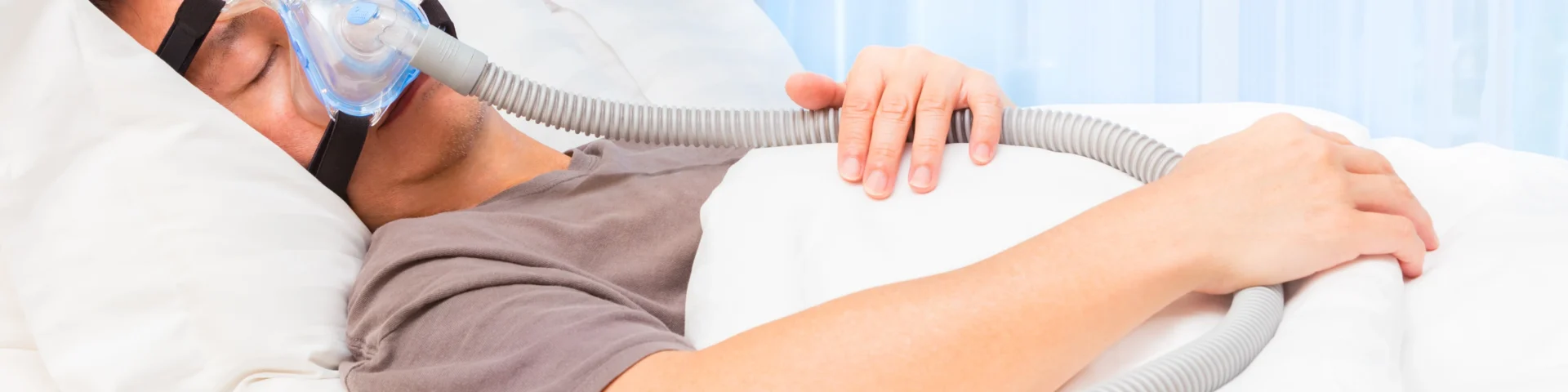
How Sleep Apnea Affects Your Oral Health (And What Your Dentist Can Do About It)
You wake up with a dry mouth, a sore jaw, and the kind of tiredness that coffee cannot fix. You might assume those mornings are just part of getting older or sleeping poorly, but the pattern can point to something your dentist sees signs of long before a sleep study confirms it. Obstructive sleep apnea, a condition where the airway repeatedly collapses during sleep, leaves marks inside your mouth that are easy to miss and easy to dismiss.
That overlap between sleep and oral health is exactly why your dental visit matters more than you might think. At Colonia Dental Associates, our team examines the same areas that reveal early warning signs of a breathing problem, and we offer treatment options for patients who are already living with the effects. Understanding the connection can help you take a symptom seriously instead of brushing it off.
The Hidden Link Between Sleep and Your Mouth
Sleep apnea and oral health influence each other in both directions. When the airway is blocked at night, many people breathe through their mouth, which dries out the tissues that normally rely on saliva for protection. That dryness sets the stage for problems that show up in the dental chair.
According to a 2024 literature review examining the oral health effects of obstructive sleep apnea, the condition is significantly associated with heightened risks of teeth grinding, dry mouth, gum disease, and jaw joint disorders. These are not minor cosmetic concerns. Each one can quietly erode the health of your teeth and the comfort of your daily life.
Why Dry Mouth Is More Than an Annoyance
Saliva does more than keep your mouth comfortable. It washes away food particles, neutralizes acid, and slows the bacteria that cause cavities and gum inflammation.
When mouth breathing reduces that saliva night after night, decay and gum problems can accelerate. This is one reason patients with untreated sleep apnea sometimes notice new cavities or bleeding gums despite keeping up with their brushing routine.
Teeth Grinding and Jaw Strain
Many people with sleep apnea also grind or clench their teeth during sleep, a habit known as bruxism. Over time, that pressure wears down the chewing surfaces, can crack or loosen teeth, and contributes to ongoing jaw tension and headaches.
The strain often reaches the jaw joint itself, which is why grinding and jaw pain frequently appear together. Our team provides TMJ treatment for patients dealing with that discomfort, and we look closely at the relationship between nighttime grinding and the underlying sleep issue rather than treating the symptom in isolation. Addressing one without the other rarely gives lasting relief.
Signs Worth Mentioning at Your Next Visit
You do not need a diagnosis to start the conversation. A few patterns are worth raising with us directly. Tell us if you wake with a dry mouth, notice worn or sensitive teeth, deal with frequent morning headaches, or have been told you snore loudly or stop breathing during sleep. These clues, combined with what we see during an exam, help us decide whether a referral for a sleep evaluation makes sense.
What Your Dentist Can Actually Do
Dentists do not diagnose sleep apnea on their own, but we play a meaningful role in screening it and managing its effects on your mouth. For patients who have been diagnosed, oral appliance therapy is one of the most common dental tools. A custom appliance is worn at night to help keep the airway open, and it offers an alternative for people who struggle with other equipment.
We provide sleep apnea treatment using these appliances and monitor how they affect your bite over time, since long-term use can shift the way your teeth come together. A custom night guard can also protect your teeth from grinding damage while the larger breathing issue is addressed. The goal is always to protect your oral health while supporting the broader treatment you receive for your sleep.
How Colonia Dental Associates’ CO2 Laser Supports Sleep Apnea Treatment
Beyond oral appliance therapy, which can improve obstructive sleep apnea in adult patients, especially those who are intolerant of CPAP, Dr. Apratim and Dr. Singh now offer QuietNite laser therapy as an added option for patients dealing with snoring and airway restriction. This CO2 laser treatment is performed right in our office and takes as little as 15 minutes per session, making it a convenient addition to our sleep apnea treatment options. During each session, the laser targets soft tissue that contributes to airway blockage, including the soft palate, the uvula, the lateral borders and top surface of the tongue, and the tonsils, helping shrink and tighten these areas to improve airflow.
We typically recommend three sessions to start, with maintenance visits once or twice a year afterward to help sustain results. QuietNite is not a replacement for a formal sleep apnea diagnosis, though. Since dentists play a crucial role in identifying and treating sleep-related breathing disorders through strategies like screening and referral, our team can help screen for warning signs, but a sleep specialist still needs to confirm the diagnosis, and many patients will continue relying on CPAP or an oral appliance as part of their care. Even so, patients often notice a real difference in day-to-day comfort and quality of life, all without the recovery time of more invasive surgical procedures.
If you snore regularly, wake up feeling exhausted, or have already been told you have a compromised airway, QuietNite laser therapy may be worth discussing at your next visit with Dr. Ashlee N. Apratim, D.M.D. or Dr. Gurjinder Singh, D.M.D.
Taking the First Step Toward Better Sleep and a Healthier Smile
The connection between sleep apnea and your mouth means a routine dental visit can be the moment a hidden problem finally gets noticed. Dr. Ashlee N. Apratim, Dr. Gurjinder Singh, and our team pay attention to these signals during exams, because catching them early can spare you years of preventable damage to your teeth and jaw. We treat your oral health as part of your overall wellbeing, not a separate checklist.
If you have noticed any of the warning signs described here, we would be glad to take a closer look and help you find the right path forward. You can reach out through our contact form to schedule a visit at our Colonia office and start the conversation about protecting both your sleep and your smile.