
TMJ Treatment Options: When to See Your Colonia Dentist
The jaw joint shouldn’t cause pain during normal activities like eating, talking, or yawning. When clicking sounds accompany jaw movement, when facial pain disrupts your daily routine, or when you struggle to open your mouth fully, these symptoms often point to temporomandibular joint dysfunction.
Colonia Dental Associates provides comprehensive evaluation and treatment for TMJ disorders affecting patients throughout the Colonia area. Dr. Ashlee N. Apratim and Dr. Gurjinder Singh have nearly a decade of experience diagnosing jaw joint problems and developing personalized treatment plans that address the underlying causes of discomfort.
Understanding TMJ Disorders
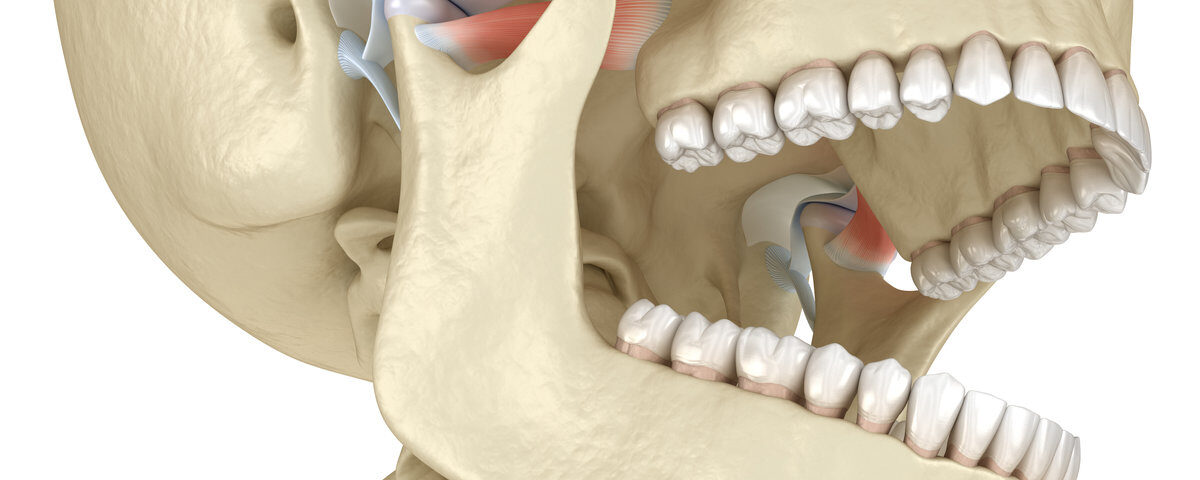
The temporomandibular joint connects your lower jaw to your skull, functioning as a hinge that allows you to open and close your mouth. This complex joint works in coordination with muscles, ligaments, and cartilage to facilitate speaking, chewing, and yawning. When any component of this system becomes damaged or misaligned, TMJ disorder can develop.
Several factors contribute to TMJ dysfunction. Physical trauma to the jaw from accidents or sports injuries can damage the joint structure. Grinding or clenching teeth, particularly during sleep, places excessive stress on the temporomandibular joint. Arthritis can affect this joint just as it affects other joints throughout the body. In some cases, the disc that cushions the joint may slip out of position, causing pain and restricted movement.
Recognizing TMJ Symptoms
TMJ disorders manifest through various symptoms that range from mild inconvenience to significant disruption of daily activities. Pain in the jaw joint area represents the most common complaint, often radiating to the face, neck, and shoulders. Many patients report clicking, popping, or grinding sounds when opening or closing their mouth, though these sounds don’t always accompany pain.
Difficulty opening your mouth wide affects your ability to eat comfortably or receive dental care. Some people experience their jaw locking in an open or closed position temporarily. Headaches frequently accompany TMJ disorders, particularly in the temple area. Ear pain or ringing in the ears can occur even when no ear infection exists, as the temporomandibular joint sits very close to the ear canal.
According to the National Institute of Dental and Craniofacial Research, over 10 million Americans experience TMJ disorders at any given time. While the condition affects people of all ages, it occurs most frequently in adults between 20 and 40 years old.
When Advanced Treatment Becomes Necessary
If conservative treatments don’t provide adequate relief after several weeks, more advanced interventions may be appropriate. Prescription medications can address inflammation and muscle tension that over-the-counter remedies don’t fully control. Muscle relaxants help reduce nighttime clenching, while anti-inflammatory medications target joint inflammation directly.
Dental work sometimes becomes necessary when bite misalignment contributes to TMJ problems. Adjusting the biting surfaces of teeth, replacing missing teeth with dental bridges or dental implants, or using orthodontic treatment like Invisalign can correct alignment issues that stress the jaw joint.
In persistent cases that don’t respond to other treatments, injections may provide relief. Corticosteroid injections reduce inflammation within the joint itself. Some practitioners use trigger point injections to release chronically tight jaw muscles. These procedures are performed in-office and typically provide several weeks or months of symptom relief.
Making an Appointment for TMJ Evaluation
Several situations warrant scheduling an appointment with your dentist for TMJ evaluation. Persistent jaw pain that lasts more than a week deserves professional assessment, even if the discomfort seems minor. Difficulty opening your mouth wide enough to eat comfortably or receive dental care requires prompt attention.
Don’t wait until symptoms become severe before seeking help. Early intervention with conservative treatments often prevents the condition from progressing to a point where more extensive treatment becomes necessary. TMJ disorders rarely resolve completely on their own without addressing the underlying causes.
What to Expect During Your Visit
Your TMJ evaluation at Colonia Dental Associates begins with a detailed discussion of your symptoms, including when they started, what makes them better or worse, and how they affect your daily activities. This conversation helps identify potential contributing factors and guides the examination process. The physical examination involves assessing jaw movement and range of motion. Your dentist will listen for clicking or popping sounds and feel for tenderness in the jaw muscles and joint area. Examining your teeth can reveal signs of grinding or clenching, such as worn enamel or cracked teeth. Your bite alignment will be evaluated to identify any issues that might contribute to joint stress.
Based on the examination findings, your dentist will discuss treatment options appropriate for your specific situation. Treatment plans are customized to address your symptoms while considering your overall health, lifestyle, and preferences. Many patients experience significant improvement within a few weeks of starting conservative treatment.
Schedule Your TMJ Consultation at Colonia Dental Associates
Colonia Dental Associates provides comprehensive evaluation and treatment for TMJ disorders affecting patients throughout the Colonia and surrounding New Jersey communities. Dr. Apratim and Dr. Singh combine their extensive training with a patient-centered approach that prioritizes your comfort and long-term jaw health. As Associate Fellows of the American Academy of Implant Dentistry with advanced training in complex dental cases, they understand how bite alignment and jaw function work together to maintain oral health.
Living with jaw pain and limited function doesn’t have to be your reality. Our team will work with you to identify the cause of your symptoms and develop a treatment plan that provides lasting relief. Visit our contact page to schedule your TMJ evaluation and take the first step toward comfortable jaw function.