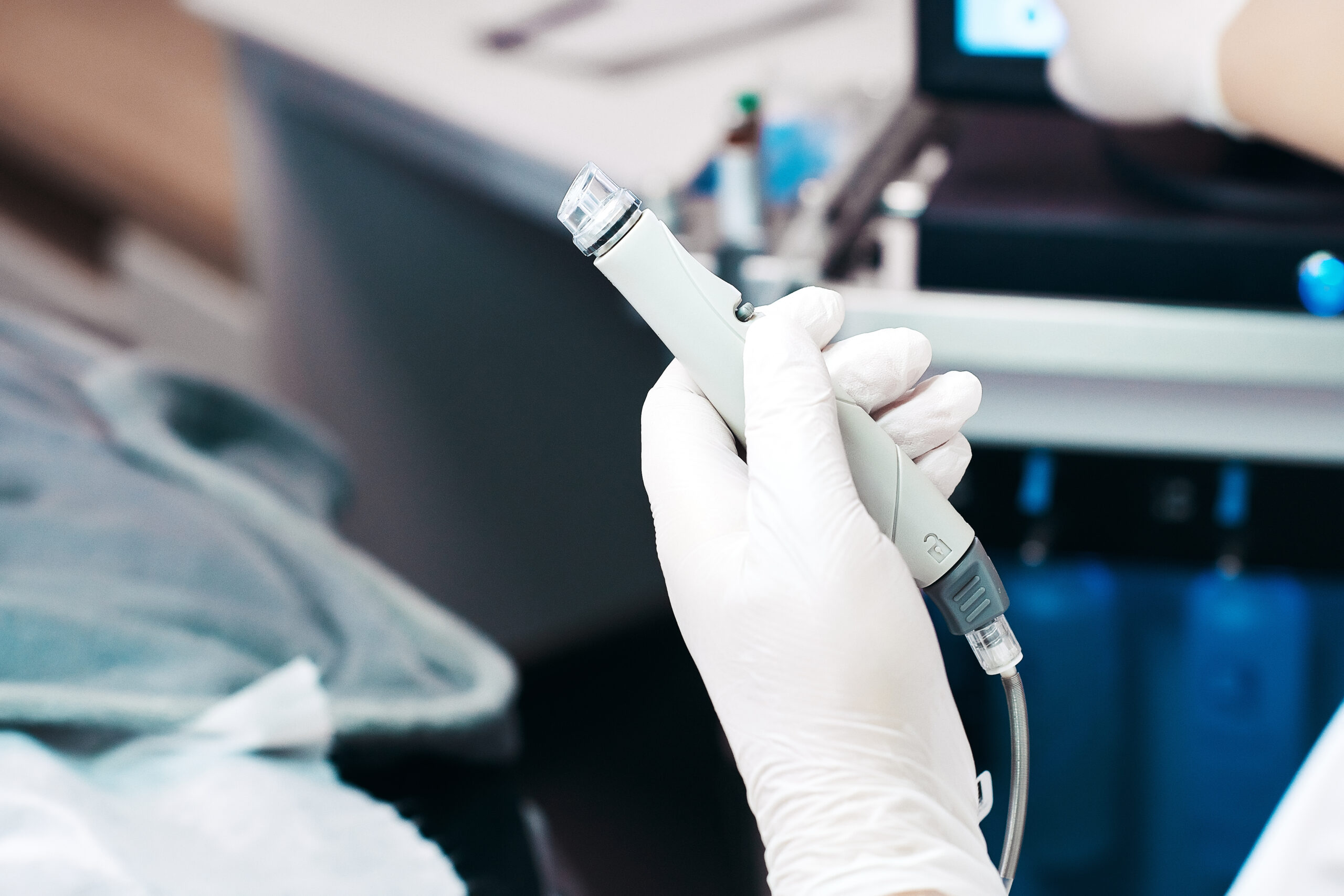
The Science Behind PRF: What Makes It a Great, Natural Option for Aesthetic Facial Improvements?

Concerns about facial aging often lead people to synthetic fillers or invasive surgical procedures that carry risks and require extensive recovery time. You deserve treatment options that work with your body’s natural healing mechanisms rather than introducing foreign substances that might cause complications or unpredictable results. Platelet-rich fibrin represents a scientifically proven approach to facial rejuvenation that harnesses your own biological healing power.

At Colonia Dental Associates, we combine nearly a decade of aesthetic treatment experience with advanced training in regenerative medicine. Dr. Gurjinder Singh and Dr. Ashlee Apratim are both Associate Fellows of the American Academy of Implant Dentistry, bringing extensive knowledge of facial aesthetics and regenerative procedures to every treatment plan.

What Makes PRF Different from Other Treatments

Platelet-rich fibrin represents the second generation of platelet concentrates, offering significant advantages over earlier regenerative treatments. First-generation treatments like platelet-rich plasma require multiple centrifugation steps, chemical anticoagulants, and activators like bovine thrombin or calcium chloride. These additives can interfere with natural healing processes and may cause adverse reactions in sensitive patients.

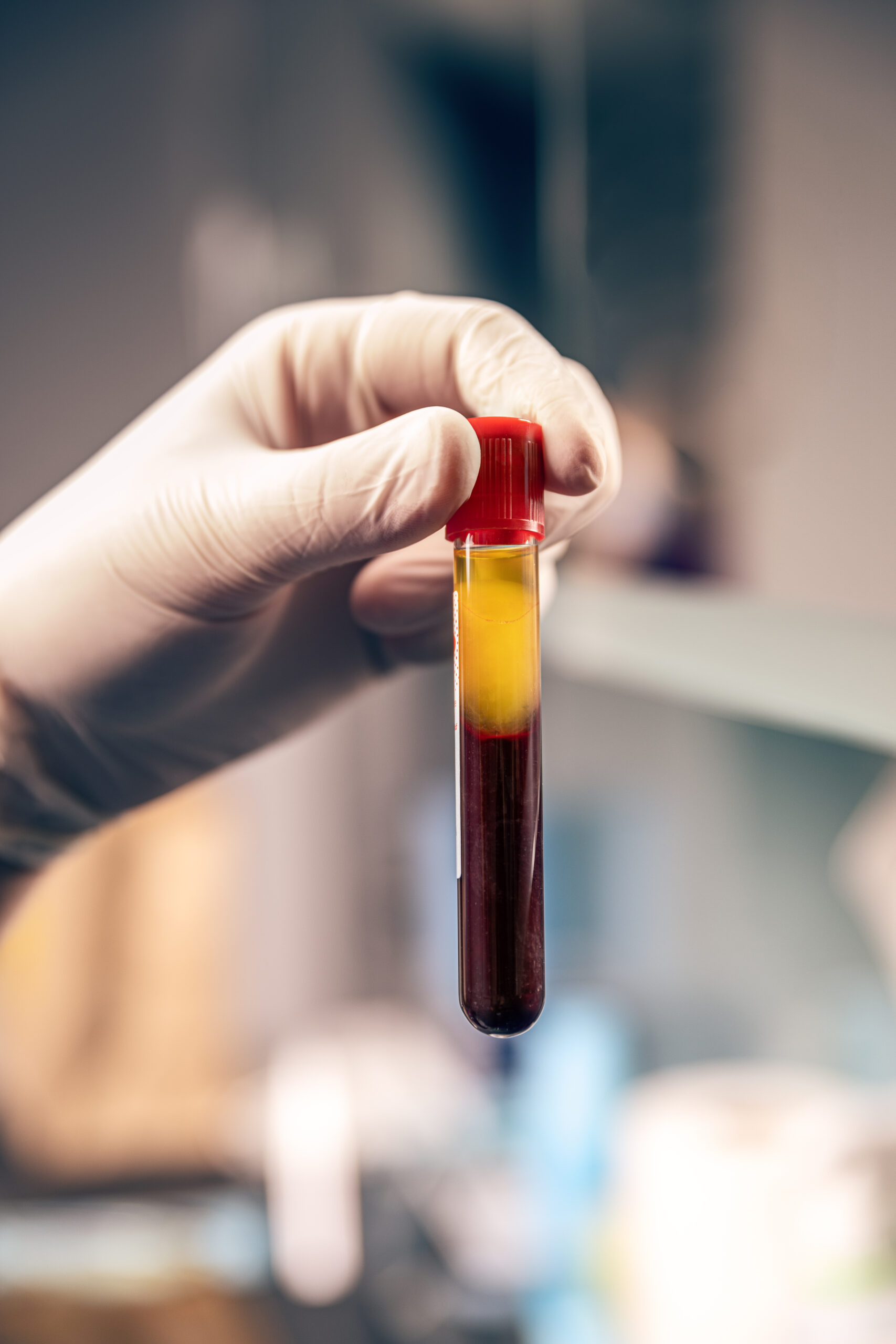
PRF preparation requires no anticoagulants or chemical activators. Your blood is collected in specialized tubes and centrifuged once, allowing natural polymerization to occur just as it would in your body. This simplicity eliminates contamination risks while preserving the biological integrity of your platelets and growth factors. Research published by the National Institutes of Health confirms that PRF maintains extended growth factor release for up to seven days or longer, compared to the rapid release seen with traditional treatments.

The Cellular Components That Drive Rejuvenation

Your platelets contain more than 1,500 bioactive factors essential for tissue repair and wound healing. When concentrated in PRF, these factors reach levels six to eight times higher than normal blood concentrations, creating an optimal environment for regeneration.

The fibrin matrix in PRF serves dual purposes as both a structural scaffold and a delivery system. Unlike rigid fibrin networks formed through chemical activation, PRF develops flexible architecture through natural polymerization. This flexibility allows growth factors to become intrinsically embedded within the fibrin structure rather than merely suspended on its surface, enabling gradual release as your body remodels the matrix during healing.

Key Growth Factors in PRF

Transforming growth factor beta stimulates fibroblast activity and collagen production while preventing collagen breakdown. Each platelet contains approximately 1,200 molecules of platelet-derived growth factor, which promotes cell migration, proliferation, and survival. Vascular endothelial growth factor initiates new blood vessel formation, ensuring adequate nutrient delivery to regenerating tissues. Insulin-like growth factor supports cell differentiation and protects against premature cell death. Epidermal growth factor accelerates epithelialization and promotes angiogenesis, shortening overall healing time.

These growth factors work synergistically rather than in isolation. For example, platelet-derived growth factor and epidermal growth factor enhance vascular endothelial growth factor secretion, while insulin-like growth factor and certain interleukins upregulate its expression. This coordinated biological activity creates comprehensive regenerative effects that single-factor treatments cannot match.

The Critical Role of White Blood Cells

Unlike first-generation platelet concentrates that eliminate white blood cells, PRF intentionally retains these immune cells within its matrix. This inclusion provides substantial benefits for tissue regeneration that many people overlook when comparing treatment options.

White blood cells release lymphogenic factors responsible for cell-to-cell communication during tissue repair. Neutrophils eliminate contaminating bacteria through oxygen radical generation and enzymatic digestion, protecting treatment sites from infection. Macrophages orchestrate the transition from inflammation to repair, releasing additional growth factors while promoting osteoblast differentiation and tissue formation. Without these immune cells, the precise cellular communication required for optimal regeneration cannot occur, which is why PRF demonstrates superior regenerative potential compared to treatments that exclude them.

Transform Your Smile Today

Book NowCall Now

Low-Speed Centrifugation Technology

Advanced PRF preparation protocols use reduced centrifugation speeds to preserve maximum cellular content. Traditional high-speed centrifugation shifts cells toward the bottom of collection tubes through strong gravitational forces, resulting in significant loss of platelets and white blood cells in the final preparation.

Lower centrifugation speeds prevent this displacement, capturing substantially more viable cells in the PRF matrix. Studies demonstrate that reducing centrifugation force significantly increases total platelet and leukocyte numbers while enhancing growth factor concentrations. Advanced PRF prepared with optimized low-speed protocols contains markedly higher levels of transforming growth factor beta, vascular endothelial growth factor, platelet-derived growth factor, epidermal growth factor, and insulin-like growth factor compared to traditional preparations.

This enhanced cellular and growth factor content translates directly to improved clinical outcomes. Advanced PRF promotes greater fibroblast migration and proliferation while stimulating increased collagen synthesis, which is essential for visible skin improvements.

Natural Sustained Release Mechanism

The slow, physiologic polymerization of fibrin in PRF creates unique release kinetics that maximize therapeutic benefit. Traditional platelet-rich plasma releases approximately 95 percent of its growth factors within the first hour after activation, providing an intense but brief regenerative signal. This rapid release often requires immediate application and may overwhelm local tissues with sudden growth factor concentrations.

PRF maintains therapeutic growth factor levels for seven to 28 days after application. The natural fibrin architecture allows growth factors to release gradually as your body remodels the matrix, providing consistent regenerative signals throughout the critical healing period. This sustained delivery better mimics natural wound healing processes, supporting continuous tissue improvement rather than brief enhancement.

Clinical Applications for Facial Aesthetics

PRF treatments effectively address multiple aesthetic concerns through natural biological mechanisms. The concentrated growth factors stimulate fibroblasts to produce new collagen and elastin fibers, improving skin texture and reducing fine lines over time. Enhanced blood vessel formation improves nutrient delivery and waste removal, resulting in healthier, more radiant skin.

The treatment also supports volume restoration through tissue regeneration rather than artificial filling. While PRF may not replace traditional fillers for significant volume loss, it excels at improving overall skin quality and providing subtle enhancement that develops gradually and looks completely natural. Treatment areas that respond particularly well include the periocular region, cheeks, nasolabial folds, and lip borders.

Why Complete Autologous Composition Matters

Because PRF comes entirely from your own blood, it eliminates risks associated with foreign materials or synthetic compounds. There is no possibility of allergic reactions, no risk of disease transmission, and no chance of immune rejection. Your body recognizes PRF as its own tissue, allowing seamless integration and optimal healing responses.

This purity becomes especially important for facial aesthetic treatments where sensitive skin requires gentle approaches. The absence of chemical additives means no interference with natural healing cascades, no potential for unexpected reactions, and no concerns about long-term biocompatibility. PRF provides regenerative benefits through purely biological mechanisms that your body inherently understands and responds to effectively.

Begin Your Natural Rejuvenation Journey at Colonia Dental Associates

At Colonia Dental Associates, Dr. Singh and Dr. Apratim have completed the internationally esteemed Aesthetic Advantage Dentistry course and maintain active participation in continuing education to provide the most advanced regenerative treatments available. Our practice offers comprehensive aesthetic services alongside cosmetic dentistry options, including veneers, teeth whitening, and complete smile makeovers.

Understanding the science behind PRF helps you make informed decisions about your aesthetic care and recognize why this natural approach delivers superior long-term results. Contact us today to schedule a consultation and discover how platelet-rich fibrin can help you achieve lasting facial rejuvenation through your body’s own regenerative capabilities.
Why You Should Switch from Dermal Filler to PRF

Dermal fillers provide immediate volume restoration that can make you look younger within minutes of treatment, but concerns about long-term safety, allergic reactions, and the need for repeated injections leave many people searching for better alternatives. You want facial rejuvenation that looks natural, works with your body instead of introducing synthetic materials, and delivers results that last without constant maintenance. Platelet-rich fibrin offers all these benefits while addressing the limitations that make traditional fillers less appealing for many patients.

At Colonia Dental Associates, we understand the desire for natural, sustainable aesthetic solutions that enhance your appearance without unnecessary risks. Dr. Gurjinder Singh and Dr. Ashlee Apratim have completed the internationally esteemed Aesthetic Advantage Dentistry course and bring nearly a decade of experience in cosmetic dentistry and facial aesthetic treatments to every patient consultation.

The Fundamental Difference Between Fillers and PRF

Traditional dermal fillers work by physically adding volume beneath your skin using synthetic substances like hyaluronic acid, calcium hydroxyapatite, or poly-L-lactic acid. These materials occupy space and push skin outward to smooth wrinkles and restore contours, but they remain foreign substances that your body eventually breaks down and eliminates.

Platelet-rich fibrin takes an entirely different approach by stimulating your own tissue regeneration. PRF comes completely from your blood, containing concentrated platelets, growth factors, white blood cells, and a natural fibrin matrix. When injected into treatment areas, it triggers your body’s healing mechanisms to produce new collagen, improve skin quality, and restore volume through actual tissue regeneration rather than artificial filling.

Why Complete Autologous Composition Matters

Because PRF derives entirely from your own blood, it eliminates risks that synthetic fillers cannot avoid. There is no possibility of allergic reactions because your immune system recognizes PRF as your own tissue. Disease transmission becomes impossible since nothing foreign enters your body. Rejection cannot occur because PRF is biologically identical to your existing tissues.

Research published by the National Institutes of Health demonstrates that PRF provides safe, long-term skin rejuvenation with minimal side effects limited to transient erythema at injection sites. Synthetic fillers carry higher risks, including edema, encapsulation, granuloma formation, and even chronic or delayed infections. The exogenous nature of traditional fillers also makes them more expensive over time, as repeated treatments become necessary to maintain results.

Sustained Growth Factor Release Creates Lasting Results

The fibrin matrix in PRF creates a three-dimensional scaffold that captures and gradually releases growth factors over weeks rather than hours. This sustained delivery mechanism provides continuous regenerative signals throughout the critical healing period, supporting ongoing tissue improvement.

Traditional fillers provide immediate volume but offer no regenerative benefit. Once your body absorbs the filler material, the improvement disappears entirely. PRF stimulates actual collagen production, new blood vessel formation, and cellular renewal that continues improving your skin quality long after the initial treatment. The growth factors in PRF include transforming growth factor beta, which prevents collagen breakdown while stimulating new production, platelet-derived growth factor, which promotes cell migration and proliferation, vascular endothelial growth factor, which initiates angiogenesis for better nutrient delivery, and epidermal growth factor, which accelerates tissue repair and epithelialization.

Natural Results That Develop Progressively

One significant advantage PRF offers over synthetic fillers involves the gradual nature of improvement. Dermal fillers create instant changes that can look overdone or unnatural if not expertly placed. PRF results develop over several weeks as your body responds to the growth factors, producing improvements that appear completely natural because they are natural.

This progressive development also means friends and family notice you looking refreshed and rejuvenated without being able to identify exactly what changed. The subtle, gradual improvement avoids the dramatic transformation that can occur with aggressive filler use, making PRF ideal for patients who want enhancement without obvious intervention.

Transform Your Smile Today

Book NowCall Now

Multiple Skin Quality Improvements Beyond Volume

While traditional fillers primarily address volume loss and deep wrinkles through physical space occupation, PRF improves multiple aspects of skin quality simultaneously. The concentrated platelets and growth factors stimulate fibroblast activity, increasing collagen and elastin production that improves skin thickness, texture, and elasticity.

Patients receiving PRF treatments often experience improvements in fine lines, skin tone irregularities, and overall skin freshness that fillers cannot provide. The treatment addresses periorbital hyperpigmentation, enlarged pores, and surface texture issues while also providing subtle volumizing effects. These comprehensive improvements create more harmonious rejuvenation that looks refreshed rather than simply filled.

Lower Long-Term Cost and Maintenance

Traditional dermal fillers require repeated treatments every six to eighteen months to maintain results, creating ongoing expenses that accumulate significantly over years of treatment. Each filler session carries its own risks of complications, bruising, and downtime, multiplying these concerns with every maintenance visit.

PRF stimulates your body to create its own tissue improvements that last longer because they represent actual regeneration rather than temporary filling. While PRF may require an initial series of treatments to achieve optimal results, the regenerative changes it creates persist longer than synthetic filler effects. The reduced frequency of maintenance treatments translates to lower costs and fewer intervention risks over time.

Minimal Side Effects and Shorter Recovery

The completely autologous nature of PRF minimizes adverse reactions and simplifies recovery compared to synthetic fillers. Most patients experience only mild swelling at injection sites that resolves within 24 hours. There is no risk of the severe complications associated with filler migration, vascular occlusion, or hypersensitivity reactions.

Dermal fillers can cause bruising, prolonged swelling, and in rare cases, serious vascular complications if inadvertently injected into blood vessels. The foreign material in synthetic fillers occasionally triggers inflammatory responses that require intervention. PRF avoids these risks entirely because your body treats it as its own tissue, allowing seamless integration without immune system activation.

Combining PRF with Other Aesthetic Treatments

PRF works exceptionally well as an adjunct to other facial rejuvenation procedures, enhancing their effectiveness and extending their benefits. When combined with treatments like microneedling, laser resurfacing, or even strategic filler placement, PRF amplifies regenerative responses and improves overall outcomes.

This versatility allows for comprehensive treatment plans that address multiple aging concerns simultaneously. For instance, PRF can improve skin quality throughout your face while targeted veneers or teeth whitening enhance your smile, creating complete facial harmony that looks naturally youthful.

Experience Natural Rejuvenation at Colonia Dental Associates

At Colonia Dental Associates, Dr. Singh and Dr. Apratim combine extensive aesthetic training with advanced techniques in regenerative medicine to provide comprehensive facial rejuvenation options. Our practice offers PRF treatments alongside complete smile makeover services, allowing us to address both your facial aesthetics and dental concerns in a coordinated approach.

Making the switch from synthetic fillers to PRF means choosing regeneration over temporary filling, natural results over artificial enhancement, and long-term tissue improvement over repeated maintenance treatments. Contact us today to schedule a consultation and discover how platelet-rich fibrin can help you achieve lasting, natural-looking facial rejuvenation that works with your body’s own healing capabilities.

How Sinus Lifts Make Upper Jaw Implants Possible in Woodbridge

Losing your upper back teeth often leads to bone loss that makes traditional dental implants seem impossible, leaving you frustrated with dentures or bridges that never quite feel right. The maxillary sinus naturally expands after tooth loss, reducing the bone available for implant placement and creating a challenge that many patients believe has no solution. Sinus lift procedures change this equation entirely by creating the bone height necessary for stable, long-lasting implant placement.

At Colonia Dental Associates, we perform advanced dental implant procedures including sinus lifts to help Woodbridge patients restore their smiles. Dr. Gurjinder Singh and Dr. Ashlee  Apratim are both Associate Fellows of the American Academy of Implant Dentistry, having completed hundreds of hours of specialized training in implant dentistry and bone grafting techniques.

Understanding Why Upper Jaw Implants Need Special Consideration

The posterior maxilla presents unique challenges for implant placement due to bone quality and quantity limitations. When you lose upper molars or premolars, two types of bone resorption occur simultaneously. Centripetal resorption happens naturally as part of bone remodeling after tooth loss, while pneumatization occurs as your maxillary sinus cavity expands toward the alveolar crest.

These combined processes often reduce available bone to heights insufficient for standard implant placement. Research published by the National Institutes of Health indicates that successful implant therapy typically requires adequate residual bone height, and sinus lift procedures provide a reliable approach for increasing bone volume when natural bone falls short. The technique has evolved significantly since its introduction in the 1970s, becoming one of the most predictable preprosthetic methods for enhancing the edentulous posterior maxilla.

How the Sinus Lift Procedure Works

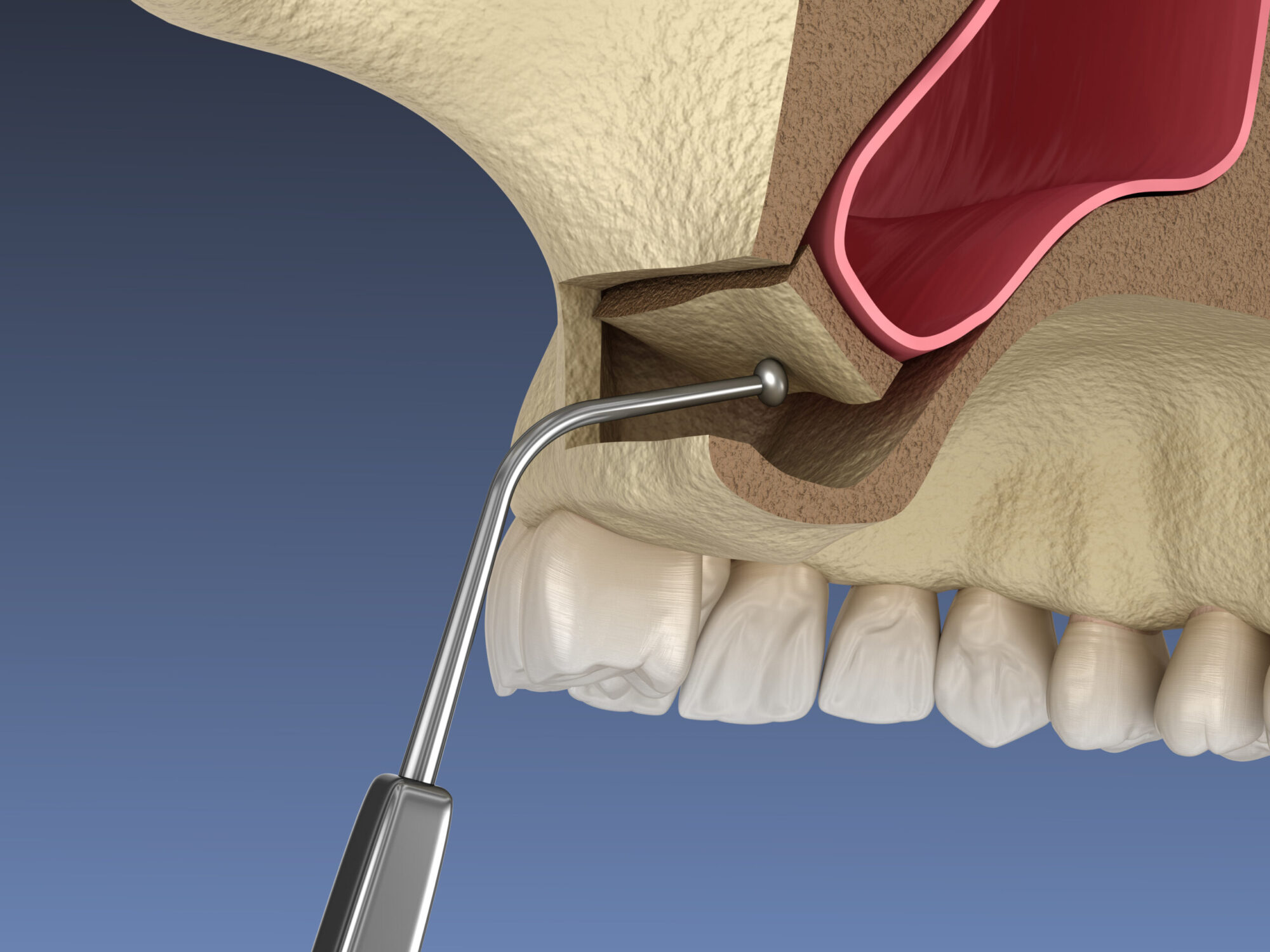
A sinus lift creates space between your sinus floor and the upper jaw bone, then fills that space with grafting material that eventually becomes your own natural bone. The procedure requires careful manipulation of the Schneiderian membrane, which is the delicate lining that covers the interior of your maxillary sinus cavity.

Your provider accesses the sinus through one of two approaches depending on how much bone remains. The lateral window technique involves creating a small opening in the outer wall of your sinus, then gently lifting the membrane to create space for bone graft material. The transcrestal approach works through the ridge itself, using specialized instruments to elevate the sinus floor without creating a lateral window.

Choosing Between Surgical Approaches

The amount of bone you currently have determines which technique your provider will recommend. If your residual bone height measures greater than five millimeters, the transcrestal approach typically provides excellent results with minimal invasiveness. This method involves less surgical exposure, shorter procedure time, and reduced postoperative discomfort.

When residual bone height falls below five millimeters, the lateral window approach becomes more appropriate. This technique allows your provider to achieve bone height increases exceeding nine millimeters, which is often necessary when significant bone loss has occurred. The lateral window also provides better visualization during the procedure, reducing the risk of complications and allowing precise membrane elevation.

Bone Grafting Materials That Support Implants

Several grafting materials can promote bone formation during sinus augmentation. Autogenous bone harvested from your own body represents the gold standard because it possesses osteogenic, osteoconductive, and osteoinductive properties. However, harvesting autogenous bone requires an additional surgical site and increases overall procedure complexity.

Xenografts derived from bovine sources and allografts from human donors provide osteoconductive scaffolds that support new bone formation without requiring secondary surgical sites. Alloplastic materials offer synthetic alternatives that eliminate concerns about disease transmission. Many providers combine different graft types to optimize volumetric stability while minimizing complications. Adding xenografts to autogenous bone, for instance, improves long-term stability of the augmented area.

Transform Your Smile Today

Book NowCall Now

Advanced Technologies Improving Outcomes

Modern sinus lift procedures benefit from technological advances that reduce complications and improve patient comfort. Piezoelectric instruments use ultrasonic vibrations to precisely cut bone while protecting soft tissues like the Schneiderian membrane. This technology significantly reduces membrane perforation rates compared to traditional rotary instruments.

Cone-beam computed tomography allows thorough presurgical evaluation of your sinus anatomy, identifying potential complications before surgery begins. Three-dimensional imaging reveals membrane thickness, presence of sinus septa, blood vessel locations, and exact measurements of available bone. This detailed planning minimizes intraoperative surprises and allows your provider to select the optimal surgical approach.

What to Expect During Recovery

Following your sinus lift procedure, you may experience swelling, mild discomfort, and nasal congestion as your body begins the healing process. These symptoms typically resolve within several days and can be managed with prescribed medications and proper aftercare. You should avoid blowing your nose, drinking through straws, or any activity that creates pressure changes in your sinuses during the initial healing period.

The grafted bone requires several months to integrate fully with your existing bone structure before implant placement can proceed. During this time, your body gradually replaces the graft material with your own natural bone through a process called creeping substitution. Most patients can have implants placed approximately four to six months after sinus augmentation, though your specific timeline depends on individual healing factors.

Preventing Complications Through Proper Planning

A comprehensive evaluation before surgery significantly reduces complication risks. Your provider assesses several anatomical factors that influence surgical complexity and success rates. Membrane thickness between one and two millimeters provides optimal conditions, while thickness exceeding five millimeters may indicate sinus obstruction requiring treatment before augmentation.

The presence and location of sinus septa affect surgical planning because these bony ridges can complicate membrane elevation. The diameter and course of blood vessels within the sinus wall require identification to prevent bleeding complications during window preparation. Understanding these anatomical variations allows your provider to modify surgical technique appropriately, ensuring the safest possible procedure.

Restoring Function with Implant-Supported Restorations at Colonia Dental Associates

At Colonia Dental Associates, we combine advanced surgical training with comprehensive restorative capabilities to provide complete implant solutions. Our practice offers the full spectrum of cosmetic dentistry services, including dental crowns, dental bridges, and complete smile reconstruction. Dr. Singh and Dr. Apratim have completed the prestigious Rutgers University American Academy of Implant Dentistry MaxiCourse, ensuring you receive care based on the latest evidence and techniques.

Whether you need single tooth replacement or full arch rehabilitation, sinus lift procedures make implant treatment possible when bone loss would otherwise prevent it. Contact us today to schedule a comprehensive evaluation and discover how we can restore your smile with stable, natural-feeling dental implants.

How Modern Dental Technology Improves Your Treatment Experience

Walking into a dental office shouldn’t feel like stepping back in time. Advanced dental technology has revolutionized how patients experience care, transforming appointments from anxiety-inducing ordeals into efficient, comfortable procedures that deliver superior results.

At Colonia Dental Associates, our team integrates cutting-edge technology into every aspect of patient care. Dr. Singh and Dr. Apratim are Associate Fellows of the American Academy of Implant Dentistry with hundreds of hours of post-graduate training in advanced dental techniques, and they utilize modern equipment to provide precise, comfortable treatment in our cosmetic dentistry practice.

More Accurate Diagnoses With Digital Imaging

Digital imaging technology represents one of the most significant advances in modern dentistry. Unlike traditional X-rays, digital systems expose patients to up to 90 percent less radiation while producing clearer, more detailed images that can be viewed immediately. These high-resolution images allow dentists to detect problems earlier and plan treatments with greater precision, often identifying issues that would have gone unnoticed with older technology.

Intraoral cameras further enhance diagnostic capabilities by capturing detailed photographs inside your mouth. These tiny cameras provide magnified views of your teeth and gums, making it easier to spot early signs of decay, cracks, or gum disease. When patients can see what the dentist sees on a screen, they better understand their treatment needs and can make more informed decisions about their care.

Faster, More Comfortable Procedures

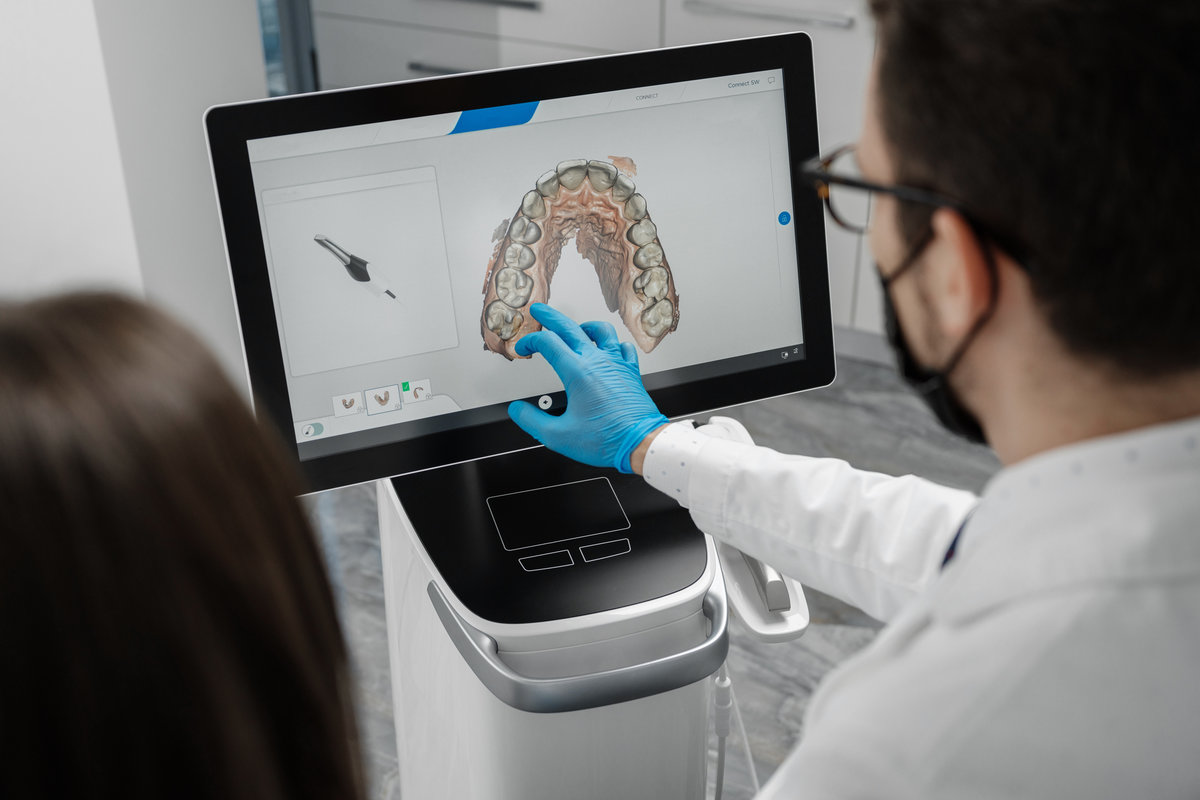
Modern dental technology has dramatically reduced treatment times while increasing patient comfort. Digital impression systems eliminate the need for uncomfortable putty molds that many patients find unpleasant. Instead, a handheld scanner creates precise 3D images of your teeth in minutes, making procedures like getting dental crowns or veneers significantly more comfortable.

Laser dentistry offers another leap forward in patient comfort. Dental lasers can treat soft tissue issues with minimal bleeding, reduced swelling, and faster healing times compared to traditional methods. Many laser procedures require little to no anesthesia, and patients typically experience less post-treatment discomfort. The precision of laser technology also preserves more healthy tooth structure during cavity treatment.

According to the National Institute of Dental and Craniofacial Research, approximately 90 percent of adults have had at least one cavity. Advanced detection and treatment technologies help address these common issues more effectively than ever before.

Transform Your Smile Today

Book NowCall Now

Enhanced Precision in Complex Treatments

Computer-aided design and manufacturing systems have revolutionized restorative dentistry. These systems create precisely fitted crowns, bridges, and other restorations with exceptional accuracy. The digital workflow reduces human error, ensures consistent quality, and often allows for same-day completion of procedures that previously required multiple appointments and temporary restorations.

For patients considering dental implants in Colonia, NJ, 3D imaging and computer-guided implant placement have transformed this procedure. Surgeons can now plan implant positions virtually before surgery, accounting for bone density, nerve locations, and optimal angles for long-term success. This advanced planning leads to better outcomes, fewer complications, and reduced healing times.

Improved Communication and Treatment Planning

Modern technology bridges the communication gap between dentists and patients. Treatment simulation software allows patients to preview potential outcomes before committing to cosmetic procedures like smile makeovers or teeth whitening. Seeing anticipated results helps patients set realistic expectations and feel more confident about their treatment decisions.

Digital records also improve continuity of care. Your dental history, images, and treatment plans remain accessible in electronic systems, making it easier for dentists to track changes over time and coordinate care if you need to see a specialist. Cloud-based systems ensure that your information remains secure while being readily available when needed.

More Efficient Appointments and Reduced Visits

Technology streamlines nearly every aspect of dental appointments. Online scheduling systems, digital check-in processes, and electronic health records reduce administrative time, allowing dentists to focus more attention on patient care. Automated appointment reminders via text or email help patients remember their visits and reduce missed appointments.

Many procedures that once required multiple visits can now be completed in a single appointment. Teeth whitening systems produce dramatic results in under an hour, while same-day crown fabrication eliminates the need for temporary restorations and return visits. For busy patients, these time savings make maintaining oral health more convenient and less disruptive to daily schedules.

Better Long-Term Outcomes

Advanced materials developed through modern research offer superior durability and aesthetics compared to older alternatives. Today’s composite resins more closely match natural tooth color and withstand normal chewing forces better than materials used a decade ago. Ceramic crowns and veneers look remarkably natural while providing strength that approaches or exceeds that of natural tooth enamel.

Preventive technology also plays a crucial role in long-term oral health. Cavity detection devices identify decay at earlier stages when treatment is simpler and less invasive. Periodontal probing systems measure gum health with precision, allowing for earlier intervention in gum disease. These advances help patients maintain their natural teeth longer and avoid more extensive treatments down the road.

Experience Advanced Dental Care at Colonia Dental Associates

Technology continues to advance at a rapid pace, and staying current with these innovations requires commitment and ongoing education. Both Dr. Singh and Dr. Apratim are members of the Smile USA Study Club, where they regularly learn new surgical and restorative skills through lectures and hands-on coursework. This dedication to continuing education ensures patients benefit from the latest proven techniques and technologies.

If you’re looking for a dental practice that combines advanced technology with personalized care, contact our office to schedule your appointment. We serve patients throughout the Colonia area and look forward to showing you how modern dentistry can transform your experience in the dental chair.

Dental Emergency Prevention: What Woodbridge and Colonia Residents Should Know

Most dental emergencies don’t announce themselves with warning signs—they happen suddenly, often at the worst possible times, leaving you in pain and searching for immediate care. The good news is that many common dental emergencies can be prevented with the right knowledge and proactive habits.

At Colonia Dental Associates, Dr. Singh and Dr. Apratim have nearly two decades of combined experience treating dental emergencies and helping patients protect their oral health. As Associate Fellows of the American Academy of Implant Dentistry, they understand how proper preventive care can save you from painful situations and costly emergency dentistry treatments.

Understanding Common Dental Emergencies

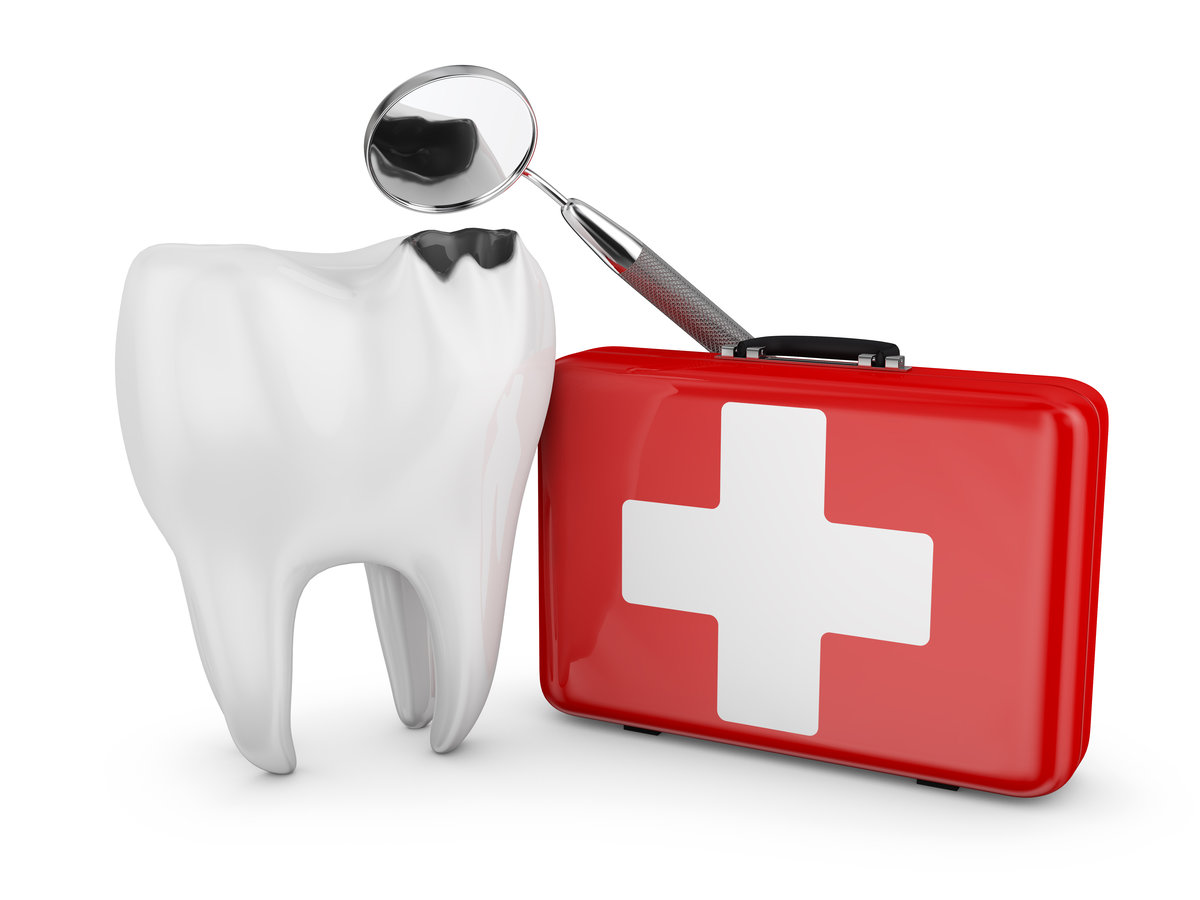
Dental emergencies come in many forms, from knocked-out teeth and severe toothaches to cracked crowns and lost fillings. A toothache that keeps you awake at night, sudden swelling in your gums, or a tooth that feels loose all qualify as situations requiring prompt attention. Recognizing what constitutes an emergency helps you respond appropriately when problems arise.

According to the American Dental Association, dental pain is one of the most common reasons people seek emergency dental care. Many of these painful situations develop from untreated cavities, gum disease, or trauma that could have been prevented with proper care and regular dental visits.

Some emergencies happen without warning, such as accidents during sports or biting down on something unexpectedly hard. However, many dental emergencies result from neglected oral health issues that gradually worsen over time. Understanding the risk factors helps you take steps to protect your teeth before problems escalate.

Maintain Regular Dental Checkups and Cleanings

The foundation of emergency prevention starts with consistent professional care. Regular exams and cleanings allow your dentist to identify potential problems before they become painful emergencies. Small cavities can be treated with simple fillings, but ignored cavities can lead to infections requiring root canals or even tooth loss.

Professional cleanings remove hardened plaque and tartar that you cannot eliminate with brushing alone. This buildup contributes to gum disease, which weakens the structures supporting your teeth and increases your risk of tooth loss. Early detection of gum disease allows for conservative treatment that prevents progression to more serious stages requiring extensive intervention.

During checkups, dentists also examine existing dental work like crowns, bridges, and fillings for signs of wear or damage. Replacing a worn filling before it fails completely prevents the sudden pain and complications that occur when decay reaches the inner tooth. These preventive measures save you time, discomfort, and money compared to emergency treatments.

Transform Your Smile Today

Book NowCall Now

Practice Proper Daily Oral Hygiene

Your daily habits play the most significant role in preventing dental emergencies. Brushing twice daily with fluoride toothpaste removes food particles and bacteria that cause decay. Many people brush too quickly or miss areas, particularly the back molars where cavities commonly develop. Taking time to brush thoroughly for two full minutes ensures adequate cleaning of all tooth surfaces.

Flossing daily removes debris from between teeth where toothbrush bristles cannot reach. Food trapped in these spaces feeds bacteria that produce acids, leading to cavities between teeth. These interproximal cavities often go unnoticed until they cause pain or become visible, making flossing a critical preventive measure. Using proper flossing technique prevents gum damage while effectively cleaning between teeth.

Consider dental sealants for additional protection, especially on back teeth with deep grooves where food easily gets trapped. Sealants provide a smooth, protective coating over these vulnerable areas, significantly reducing cavity risk. This simple preventive treatment proves particularly valuable for children and teenagers but benefits adults as well.

Protect Your Teeth During Physical Activities

Sports and recreational activities account for a substantial number of dental emergencies each year. A custom mouthguard provides essential protection during contact sports like football, basketball, hockey, and soccer. These protective devices cushion impacts that would otherwise crack, chip, or knock out teeth. Over-the-counter mouthguards offer some protection, but custom-fitted versions from your dentist provide superior comfort and protection.

Even non-contact activities can pose risks. Cyclists, skateboarders, and rollerbladers benefit from mouthguard protection since falls can result in facial injuries. The initial investment in a quality mouthguard costs far less than repairing or replacing damaged teeth after an accident.

Beyond sports, be mindful of habits that stress your teeth unnecessarily. Using teeth as tools to open packages, bite nails, or hold objects can cause cracks and chips. Chewing ice, hard candies, or popcorn kernels also risks damaging teeth or existing dental work. These seemingly minor habits accumulate stress on tooth enamel over time, eventually leading to fractures.

Address Dental Problems Promptly

Ignoring minor dental issues often transforms them into emergencies. A slight sensitivity to cold might indicate early decay that can be easily treated with a dental filling. Waiting until the tooth throbs with constant pain means the decay has likely reached the nerve, requiring more extensive treatment.

Gum bleeding during brushing signals inflammation that needs attention. Left untreated, gingivitis progresses to periodontitis, a serious condition that damages the bone supporting your teeth. Early intervention with improved hygiene and professional cleaning can reverse gingivitis, while advanced gum disease requires more complex treatment to manage.

Even seemingly stable dental work requires monitoring. Crowns and bridges can loosen over time, and fillings can wear down or develop gaps where bacteria enter. If you notice changes in how your dental work feels, schedule an examination before the restoration fails completely. Preventive replacement avoids the pain and complications that occur when a crown falls off or a filling breaks, exposing the vulnerable tooth structure underneath.

Make Smart Dietary Choices for Dental Health

Your diet significantly impacts your emergency risk. Frequent consumption of sugary foods and acidic beverages creates an environment where cavity-causing bacteria thrive. Sipping soda, sports drinks, or juice throughout the day bathes teeth in acid that erodes enamel. Limiting these beverages and drinking water instead protects your teeth from acid attacks.

Hard and sticky foods pose particular risks. Sticky candies cling to teeth, providing sustained fuel for bacteria, while also potentially pulling out fillings or dental work. Hard foods like nuts, ice, and hard candies can crack teeth or damage restorations. Being mindful of what you eat helps you avoid foods that increase your emergency risk.

Calcium-rich foods strengthen tooth enamel, while crunchy vegetables and fruits stimulate saliva production that naturally cleanses your mouth. Drinking water, especially fluoridated tap water, rinses away food particles and provides fluoride that strengthens enamel. Making conscious dietary choices supports your oral health and reduces your likelihood of experiencing dental emergencies.

Partner With Colonia Dental Associates for Prevention

Prevention requires partnership between you and your dental team. Dr. Singh and Dr. Apratim stay current with the latest preventive techniques through their membership in the Smile USA Study Club, where they regularly participate in lectures and hands-on training. This commitment to continuing education ensures you receive the most effective preventive care available.

Our practice serves patients throughout Woodbridge, Colonia, and surrounding communities with comprehensive general dentistry focused on keeping your smile healthy. From routine preventive care to advanced restorative treatments, we provide the full spectrum of services you need to avoid emergencies and maintain optimal oral health. Contact our office today to schedule your preventive care appointment and take control of your dental health.

TMJ Treatment Options: When to See Your Colonia Dentist

The jaw joint shouldn’t cause pain during normal activities like eating, talking, or yawning. When clicking sounds accompany jaw movement, when facial pain disrupts your daily routine, or when you struggle to open your mouth fully, these symptoms often point to temporomandibular joint dysfunction.

Colonia Dental Associates provides comprehensive evaluation and treatment for TMJ disorders affecting patients throughout the Colonia area. Dr. Ashlee N. Apratim and Dr. Gurjinder Singh have nearly a decade of experience diagnosing jaw joint problems and developing personalized treatment plans that address the underlying causes of discomfort.

Understanding TMJ Disorders

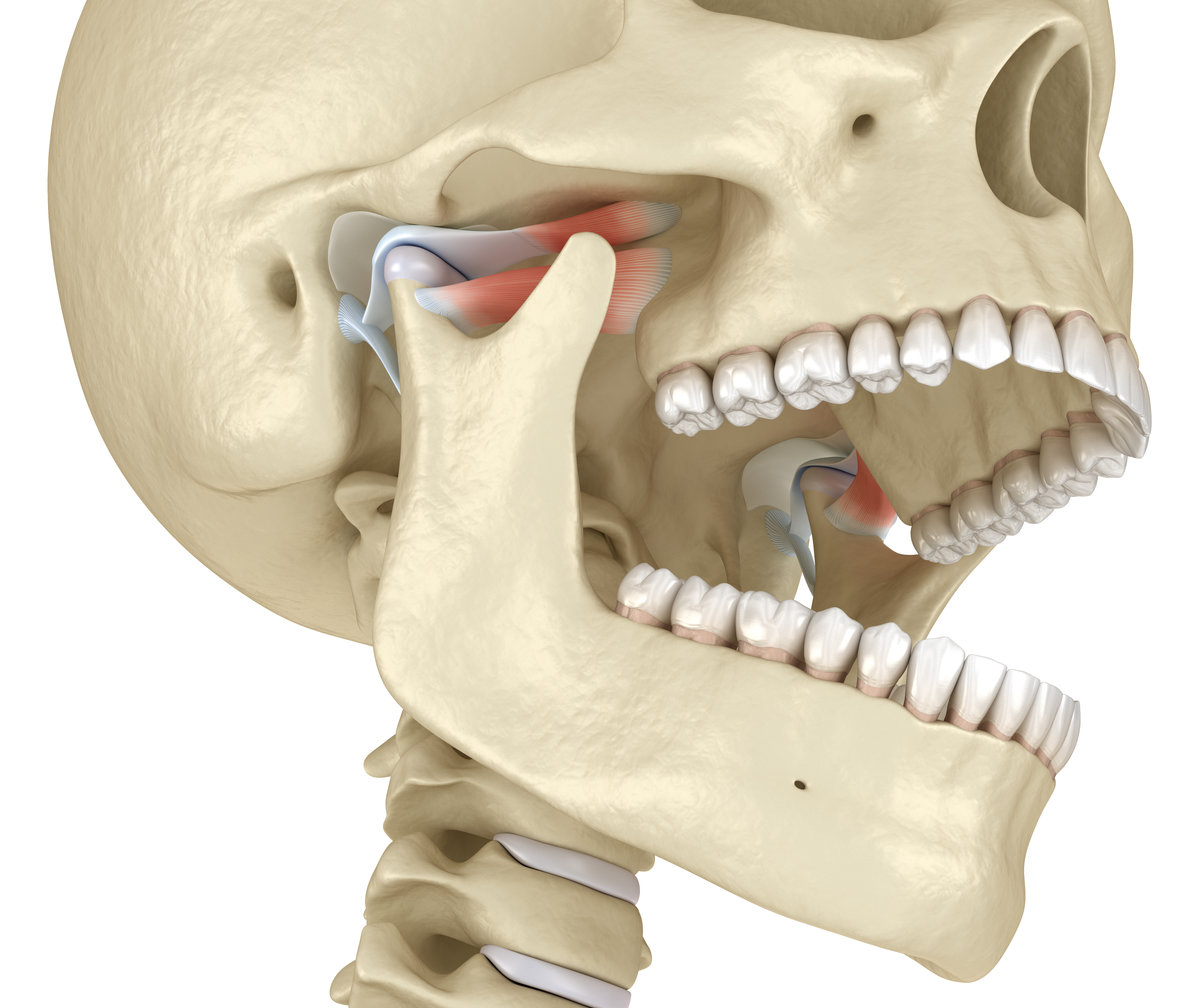
The temporomandibular joint connects your lower jaw to your skull, functioning as a hinge that allows you to open and close your mouth. This complex joint works in coordination with muscles, ligaments, and cartilage to facilitate speaking, chewing, and yawning. When any component of this system becomes damaged or misaligned, TMJ disorder can develop.

Several factors contribute to TMJ dysfunction. Physical trauma to the jaw from accidents or sports injuries can damage the joint structure. Grinding or clenching teeth, particularly during sleep, places excessive stress on the temporomandibular joint. Arthritis can affect this joint just as it affects other joints throughout the body. In some cases, the disc that cushions the joint may slip out of position, causing pain and restricted movement.

Recognizing TMJ Symptoms

TMJ disorders manifest through various symptoms that range from mild inconvenience to significant disruption of daily activities. Pain in the jaw joint area represents the most common complaint, often radiating to the face, neck, and shoulders. Many patients report clicking, popping, or grinding sounds when opening or closing their mouth, though these sounds don’t always accompany pain.

Difficulty opening your mouth wide affects your ability to eat comfortably or receive dental care. Some people experience their jaw locking in an open or closed position temporarily. Headaches frequently accompany TMJ disorders, particularly in the temple area. Ear pain or ringing in the ears can occur even when no ear infection exists, as the temporomandibular joint sits very close to the ear canal.

According to the National Institute of Dental and Craniofacial Research, over 10 million Americans experience TMJ disorders at any given time. While the condition affects people of all ages, it occurs most frequently in adults between 20 and 40 years old.

Transform Your Smile Today

Book NowCall Now

When Advanced Treatment Becomes Necessary

If conservative treatments don’t provide adequate relief after several weeks, more advanced interventions may be appropriate. Prescription medications can address inflammation and muscle tension that over-the-counter remedies don’t fully control. Muscle relaxants help reduce nighttime clenching, while anti-inflammatory medications target joint inflammation directly.

Dental work sometimes becomes necessary when bite misalignment contributes to TMJ problems. Adjusting the biting surfaces of teeth, replacing missing teeth with dental bridges or dental implants, or using orthodontic treatment like Invisalign can correct alignment issues that stress the jaw joint.

In persistent cases that don’t respond to other treatments, injections may provide relief. Corticosteroid injections reduce inflammation within the joint itself. Some practitioners use trigger point injections to release chronically tight jaw muscles. These procedures are performed in-office and typically provide several weeks or months of symptom relief.

Making an Appointment for TMJ Evaluation

Several situations warrant scheduling an appointment with your dentist for TMJ evaluation. Persistent jaw pain that lasts more than a week deserves professional assessment, even if the discomfort seems minor. Difficulty opening your mouth wide enough to eat comfortably or receive dental care requires prompt attention.

Don’t wait until symptoms become severe before seeking help. Early intervention with conservative treatments often prevents the condition from progressing to a point where more extensive treatment becomes necessary. TMJ disorders rarely resolve completely on their own without addressing the underlying causes.

What to Expect During Your Visit

Your TMJ evaluation at Colonia Dental Associates begins with a detailed discussion of your symptoms, including when they started, what makes them better or worse, and how they affect your daily activities. This conversation helps identify potential contributing factors and guides the examination process. The physical examination involves assessing jaw movement and range of motion. Your dentist will listen for clicking or popping sounds and feel for tenderness in the jaw muscles and joint area. Examining your teeth can reveal signs of grinding or clenching, such as worn enamel or cracked teeth. Your bite alignment will be evaluated to identify any issues that might contribute to joint stress.

Based on the examination findings, your dentist will discuss treatment options appropriate for your specific situation. Treatment plans are customized to address your symptoms while considering your overall health, lifestyle, and preferences. Many patients experience significant improvement within a few weeks of starting conservative treatment.

Schedule Your TMJ Consultation at Colonia Dental Associates

Colonia Dental Associates provides comprehensive evaluation and treatment for TMJ disorders affecting patients throughout the Colonia and surrounding New Jersey communities. Dr. Apratim and Dr. Singh combine their extensive training with a patient-centered approach that prioritizes your comfort and long-term jaw health. As Associate Fellows of the American Academy of Implant Dentistry with advanced training in complex dental cases, they understand how bite alignment and jaw function work together to maintain oral health.

Living with jaw pain and limited function doesn’t have to be your reality. Our team will work with you to identify the cause of your symptoms and develop a treatment plan that provides lasting relief. Visit our contact page to schedule your TMJ evaluation and take the first step toward comfortable jaw function.

The Complete Guide to Night Guards: Protecting Your Teeth While You Sleep

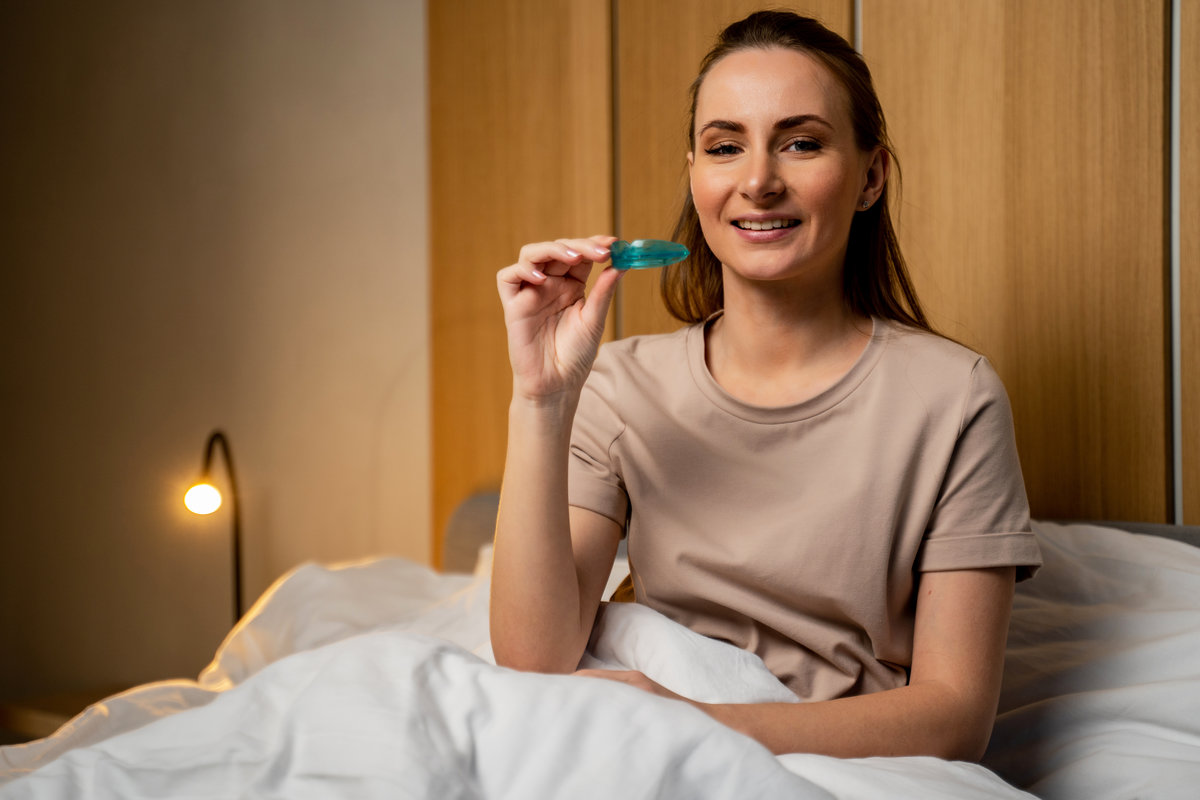
A night guard is a custom-fitted dental appliance you wear while sleeping to protect your teeth from grinding and clenching. If you wake up with jaw pain, headaches, or notice your teeth becoming worn down, a night guard can prevent further damage and provide relief from these symptoms. These protective devices work by creating a cushioning barrier between your upper and lower teeth.

At Colonia Dental Associates, Dr. Singh and Dr. Apratim provide custom night guards to help patients throughout Woodbridge, Colonia, and the surrounding areas protect their smiles from the effects of nighttime teeth grinding. Our general dentistry services include comprehensive solutions for preventing and treating the consequences of bruxism.

What Causes Teeth Grinding at Night?

Teeth grinding and clenching, medically known as bruxism, happens for several reasons. Stress and anxiety are the most common triggers, as tension accumulates throughout the day and manifests during sleep. Sleep disorders like sleep apnea can also contribute to grinding, as your body struggles to maintain proper breathing patterns. Other factors include misaligned teeth, an abnormal bite, or missing teeth, creating an uneven surface when your jaws close.

Certain medications, particularly some antidepressants, can increase the likelihood of grinding. Lifestyle habits such as excessive caffeine consumption, alcohol use, and smoking have also been linked to bruxism. Research from the American Dental Association indicates over 70% of dentists observed increased signs of teeth grinding in patients during a 2021 survey, suggesting stress-related grinding has become more prevalent in recent years.

Signs You Need a Night Guard

Many people grind their teeth without realizing it until damage becomes visible. Recognizing the warning signs early can help you protect your teeth before serious harm occurs.

Common symptoms include:

  • Waking with a sore jaw or facial muscles,
  • Frequent morning headaches, especially around the temples, and
  • Grinding sounds during the night, your partner might notice.

Physical changes to your teeth include flattened, fractured, or chipped tooth surfaces. You might develop increased tooth sensitivity to hot or cold foods and beverages as the protective enamel wears away. Indentations along the inside of your cheeks or tongue, caused by pressing them against your teeth, are also common indicators. If you notice any of these symptoms, schedule a consultation to determine whether a night guard could help protect your teeth.

Transform Your Smile Today

Transform Your Smile Today

Book NowCall Now

How Night Guards Protect Your Teeth

Night guards create a physical barrier between your upper and lower teeth, preventing direct contact during grinding episodes. This barrier absorbs and distributes the force of clenching across the guard’s surface rather than concentrating it on individual teeth. By doing so, they prevent the gradual wearing down of tooth enamel, the hardest substance in your body, but still vulnerable to repeated grinding forces.

The protective appliance also helps reduce muscle tension in your jaw. When you wear a night guard, your jaw muscles often relax because they encounter resistance rather than the hard surface of opposing teeth. This can decrease the intensity of grinding episodes over time. Night guards maintain proper spacing between your jaws, preventing excessive pressure on your temporomandibular joint. This spacing helps minimize jaw pain, clicking sounds, and the risk of developing TMJ disorders.

The Custom Fitting Process

Getting a custom night guard starts with a thorough dental examination. Your dentist will assess your teeth for signs of grinding damage, check your bite alignment, and evaluate your jaw function. This examination helps determine which type of night guard will work best for your specific situation.

The next step involves taking detailed impressions of your teeth. These impressions capture the exact shape and position of your teeth, ensuring your night guard fits perfectly. The impressions are sent to a dental laboratory where skilled technicians fabricate your custom guard. This process typically takes one to two weeks. Once your night guard is ready, you’ll return for a fitting appointment where your dentist will check the fit, make any necessary adjustments, and show you how to properly insert and remove the guard.

Caring for Your Night Guard

Proper maintenance extends the life of your night guard and keeps it hygienic. Rinse your guard with cool water immediately after removing it each morning. Use a soft toothbrush and mild soap or denture cleaner to gently clean all surfaces. Avoid hot water, which can warp the material and alter the fit. Store your night guard in its protective case when not in use to prevent damage and contamination while allowing proper air circulation to keep it dry.

Deep clean your night guard weekly using a denture cleaning tablet or a mixture of equal parts water and white vinegar. Let it soak for about 30 minutes, then rinse thoroughly. Bring your night guard to your regular dental checkups so your dentist can inspect it for signs of wear or damage. Most custom night guards last between one and five years with proper care, though this varies based on grinding severity and maintenance habits.

When to Replace Your Night Guard

Even with excellent care, night guards don’t last forever. Visible signs of wear include holes, tears, or thin spots in the material. If your night guard becomes loose or no longer fits snugly, it’s no longer providing adequate protection. Cracks or fractures, even small ones, compromise the guard’s structural integrity and require replacement.

Changes in your dental work also necessitate a new night guard. If you get dental veneers, crowns, bridges, or have teeth extracted, your old guard won’t fit properly. Schedule an appointment to have a new impression taken and a replacement guard made.

Schedule Your Consultation at Colonia Dental Associates

Protecting your teeth from grinding damage is essential for maintaining a healthy smile. If you experience symptoms of teeth grinding or want to learn more about whether a night guard is right for you, the team at Colonia Dental Associates is here to help. Dr. Singh, an Associate Fellow of the American Academy of Implant Dentistry, and Dr. Apratim provide comprehensive dental care with a focus on preventive solutions.

Don’t wait for grinding to cause irreversible damage to your teeth. Contact our office today to schedule a consultation and take the first step toward protecting your smile while you sleep.

Click to listen highlighted text!