
TMJ Treatment Options: When to See Your Colonia Dentist

The jaw joint shouldn’t cause pain during normal activities like eating, talking, or yawning. When clicking sounds accompany jaw movement, when facial pain disrupts your daily routine, or when you struggle to open your mouth fully, these symptoms often point to temporomandibular joint dysfunction.

Colonia Dental Associates provides comprehensive evaluation and treatment for TMJ disorders affecting patients throughout the Colonia area. Dr. Ashlee N. Apratim and Dr. Gurjinder Singh have nearly a decade of experience diagnosing jaw joint problems and developing personalized treatment plans that address the underlying causes of discomfort.

Understanding TMJ Disorders

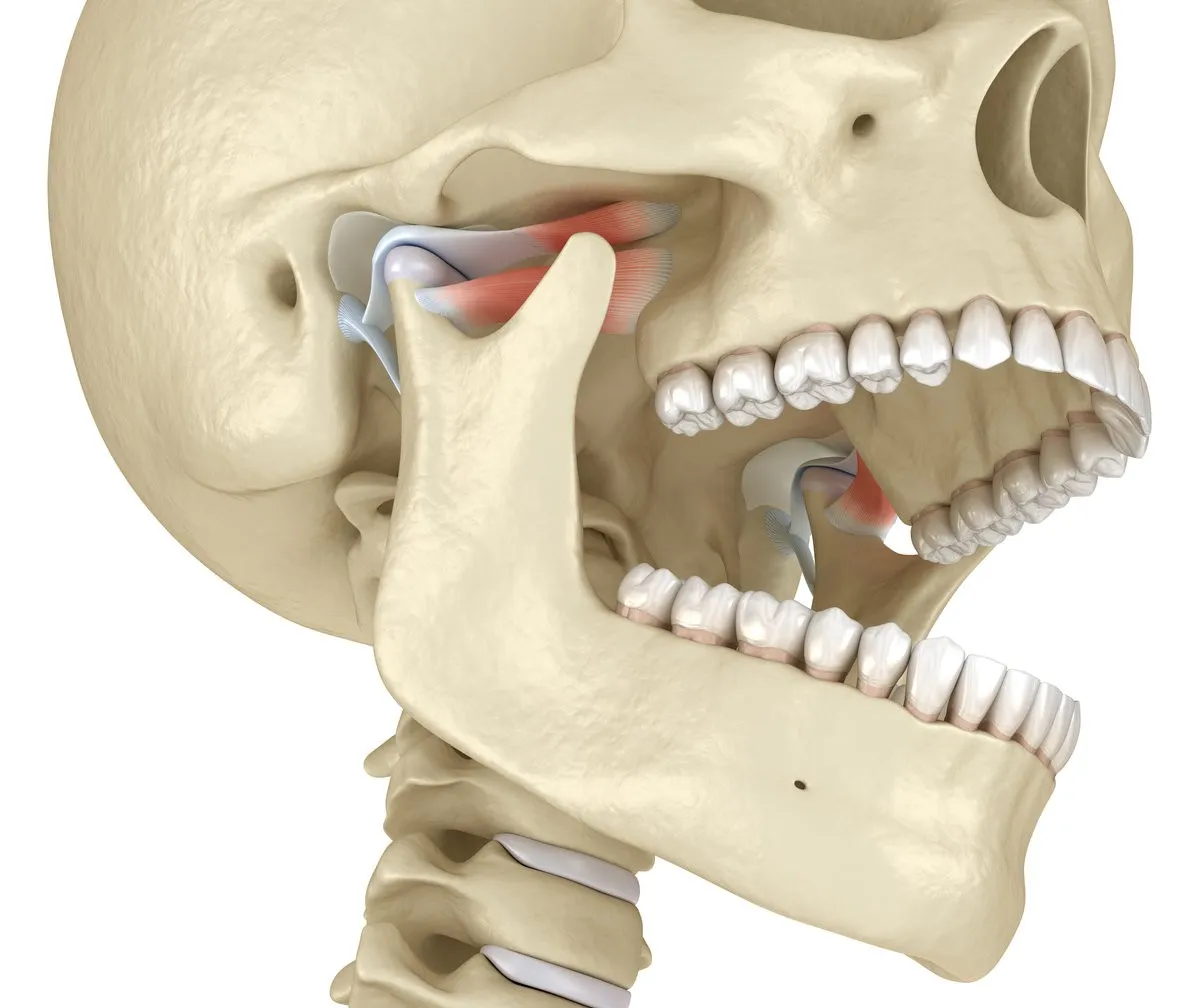
The temporomandibular joint connects your lower jaw to your skull, functioning as a hinge that allows you to open and close your mouth. This complex joint works in coordination with muscles, ligaments, and cartilage to facilitate speaking, chewing, and yawning. When any component of this system becomes damaged or misaligned, TMJ disorder can develop.

Several factors contribute to TMJ dysfunction. Physical trauma to the jaw from accidents or sports injuries can damage the joint structure. Grinding or clenching teeth, particularly during sleep, places excessive stress on the temporomandibular joint. Arthritis can affect this joint just as it affects other joints throughout the body. In some cases, the disc that cushions the joint may slip out of position, causing pain and restricted movement.

Recognizing TMJ Symptoms

TMJ disorders manifest through various symptoms that range from mild inconvenience to significant disruption of daily activities. Pain in the jaw joint area represents the most common complaint, often radiating to the face, neck, and shoulders. Many patients report clicking, popping, or grinding sounds when opening or closing their mouth, though these sounds don’t always accompany pain.

Difficulty opening your mouth wide affects your ability to eat comfortably or receive dental care. Some people experience their jaw locking in an open or closed position temporarily. Headaches frequently accompany TMJ disorders, particularly in the temple area. Ear pain or ringing in the ears can occur even when no ear infection exists, as the temporomandibular joint sits very close to the ear canal.

According to the National Institute of Dental and Craniofacial Research, over 10 million Americans experience TMJ disorders at any given time. While the condition affects people of all ages, it occurs most frequently in adults between 20 and 40 years old.

Transform Your Smile Today

Book NowCall Now

When Advanced Treatment Becomes Necessary

If conservative treatments don’t provide adequate relief after several weeks, more advanced interventions may be appropriate. Prescription medications can address inflammation and muscle tension that over-the-counter remedies don’t fully control. Muscle relaxants help reduce nighttime clenching, while anti-inflammatory medications target joint inflammation directly.

Dental work sometimes becomes necessary when bite misalignment contributes to TMJ problems. Adjusting the biting surfaces of teeth, replacing missing teeth with dental bridges or dental implants, or using orthodontic treatment like Invisalign can correct alignment issues that stress the jaw joint.

In persistent cases that don’t respond to other treatments, injections may provide relief. Corticosteroid injections reduce inflammation within the joint itself. Some practitioners use trigger point injections to release chronically tight jaw muscles. These procedures are performed in-office and typically provide several weeks or months of symptom relief.

Making an Appointment for TMJ Evaluation

Several situations warrant scheduling an appointment with your dentist for TMJ evaluation. Persistent jaw pain that lasts more than a week deserves professional assessment, even if the discomfort seems minor. Difficulty opening your mouth wide enough to eat comfortably or receive dental care requires prompt attention.

Don’t wait until symptoms become severe before seeking help. Early intervention with conservative treatments often prevents the condition from progressing to a point where more extensive treatment becomes necessary. TMJ disorders rarely resolve completely on their own without addressing the underlying causes.

What to Expect During Your Visit

Your TMJ evaluation at Colonia Dental Associates begins with a detailed discussion of your symptoms, including when they started, what makes them better or worse, and how they affect your daily activities. This conversation helps identify potential contributing factors and guides the examination process. The physical examination involves assessing jaw movement and range of motion. Your dentist will listen for clicking or popping sounds and feel for tenderness in the jaw muscles and joint area. Examining your teeth can reveal signs of grinding or clenching, such as worn enamel or cracked teeth. Your bite alignment will be evaluated to identify any issues that might contribute to joint stress.

Based on the examination findings, your dentist will discuss treatment options appropriate for your specific situation. Treatment plans are customized to address your symptoms while considering your overall health, lifestyle, and preferences. Many patients experience significant improvement within a few weeks of starting conservative treatment.

Schedule Your TMJ Consultation at Colonia Dental Associates

Colonia Dental Associates provides comprehensive evaluation and treatment for TMJ disorders affecting patients throughout the Colonia and surrounding New Jersey communities. Dr. Apratim and Dr. Singh combine their extensive training with a patient-centered approach that prioritizes your comfort and long-term jaw health. As Associate Fellows of the American Academy of Implant Dentistry with advanced training in complex dental cases, they understand how bite alignment and jaw function work together to maintain oral health.

Living with jaw pain and limited function doesn’t have to be your reality. Our team will work with you to identify the cause of your symptoms and develop a treatment plan that provides lasting relief. Visit our contact page to schedule your TMJ evaluation and take the first step toward comfortable jaw function.

The Complete Guide to Night Guards: Protecting Your Teeth While You Sleep

A night guard is a custom-fitted dental appliance you wear while sleeping to protect your teeth from grinding and clenching. If you wake up with jaw pain, headaches, or notice your teeth becoming worn down, a night guard can prevent further damage and provide relief from these symptoms. These protective devices work by creating a cushioning barrier between your upper and lower teeth.

At Colonia Dental Associates, Dr. Singh and Dr. Apratim provide custom night guards to help patients throughout Woodbridge, Colonia, and the surrounding areas protect their smiles from the effects of nighttime teeth grinding. Our general dentistry services include comprehensive solutions for preventing and treating the consequences of bruxism.

What Causes Teeth Grinding at Night?

Teeth grinding and clenching, medically known as bruxism, happens for several reasons. Stress and anxiety are the most common triggers, as tension accumulates throughout the day and manifests during sleep. Sleep disorders like sleep apnea can also contribute to grinding, as your body struggles to maintain proper breathing patterns. Other factors include misaligned teeth, an abnormal bite, or missing teeth, creating an uneven surface when your jaws close.

Certain medications, particularly some antidepressants, can increase the likelihood of grinding. Lifestyle habits such as excessive caffeine consumption, alcohol use, and smoking have also been linked to bruxism. Research from the American Dental Association indicates over 70% of dentists observed increased signs of teeth grinding in patients during a 2021 survey, suggesting stress-related grinding has become more prevalent in recent years.

Signs You Need a Night Guard

Many people grind their teeth without realizing it until damage becomes visible. Recognizing the warning signs early can help you protect your teeth before serious harm occurs.

Common symptoms include:

  • Waking with a sore jaw or facial muscles,
  • Frequent morning headaches, especially around the temples, and
  • Grinding sounds during the night, your partner might notice.

Physical changes to your teeth include flattened, fractured, or chipped tooth surfaces. You might develop increased tooth sensitivity to hot or cold foods and beverages as the protective enamel wears away. Indentations along the inside of your cheeks or tongue, caused by pressing them against your teeth, are also common indicators. If you notice any of these symptoms, schedule a consultation to determine whether a night guard could help protect your teeth.

Transform Your Smile Today

Transform Your Smile Today

Book NowCall Now

How Night Guards Protect Your Teeth

Night guards create a physical barrier between your upper and lower teeth, preventing direct contact during grinding episodes. This barrier absorbs and distributes the force of clenching across the guard’s surface rather than concentrating it on individual teeth. By doing so, they prevent the gradual wearing down of tooth enamel, the hardest substance in your body, but still vulnerable to repeated grinding forces.

The protective appliance also helps reduce muscle tension in your jaw. When you wear a night guard, your jaw muscles often relax because they encounter resistance rather than the hard surface of opposing teeth. This can decrease the intensity of grinding episodes over time. Night guards maintain proper spacing between your jaws, preventing excessive pressure on your temporomandibular joint. This spacing helps minimize jaw pain, clicking sounds, and the risk of developing TMJ disorders.

The Custom Fitting Process

Getting a custom night guard starts with a thorough dental examination. Your dentist will assess your teeth for signs of grinding damage, check your bite alignment, and evaluate your jaw function. This examination helps determine which type of night guard will work best for your specific situation.

The next step involves taking detailed impressions of your teeth. These impressions capture the exact shape and position of your teeth, ensuring your night guard fits perfectly. The impressions are sent to a dental laboratory where skilled technicians fabricate your custom guard. This process typically takes one to two weeks. Once your night guard is ready, you’ll return for a fitting appointment where your dentist will check the fit, make any necessary adjustments, and show you how to properly insert and remove the guard.

Caring for Your Night Guard

Proper maintenance extends the life of your night guard and keeps it hygienic. Rinse your guard with cool water immediately after removing it each morning. Use a soft toothbrush and mild soap or denture cleaner to gently clean all surfaces. Avoid hot water, which can warp the material and alter the fit. Store your night guard in its protective case when not in use to prevent damage and contamination while allowing proper air circulation to keep it dry.

Deep clean your night guard weekly using a denture cleaning tablet or a mixture of equal parts water and white vinegar. Let it soak for about 30 minutes, then rinse thoroughly. Bring your night guard to your regular dental checkups so your dentist can inspect it for signs of wear or damage. Most custom night guards last between one and five years with proper care, though this varies based on grinding severity and maintenance habits.

When to Replace Your Night Guard

Even with excellent care, night guards don’t last forever. Visible signs of wear include holes, tears, or thin spots in the material. If your night guard becomes loose or no longer fits snugly, it’s no longer providing adequate protection. Cracks or fractures, even small ones, compromise the guard’s structural integrity and require replacement.

Changes in your dental work also necessitate a new night guard. If you get dental veneers, crowns, bridges, or have teeth extracted, your old guard won’t fit properly. Schedule an appointment to have a new impression taken and a replacement guard made.

Schedule Your Consultation at Colonia Dental Associates

Protecting your teeth from grinding damage is essential for maintaining a healthy smile. If you experience symptoms of teeth grinding or want to learn more about whether a night guard is right for you, the team at Colonia Dental Associates is here to help. Dr. Singh, an Associate Fellow of the American Academy of Implant Dentistry, and Dr. Apratim provide comprehensive dental care with a focus on preventive solutions.

Don’t wait for grinding to cause irreversible damage to your teeth. Contact our office today to schedule a consultation and take the first step toward protecting your smile while you sleep.

Click to listen highlighted text!