
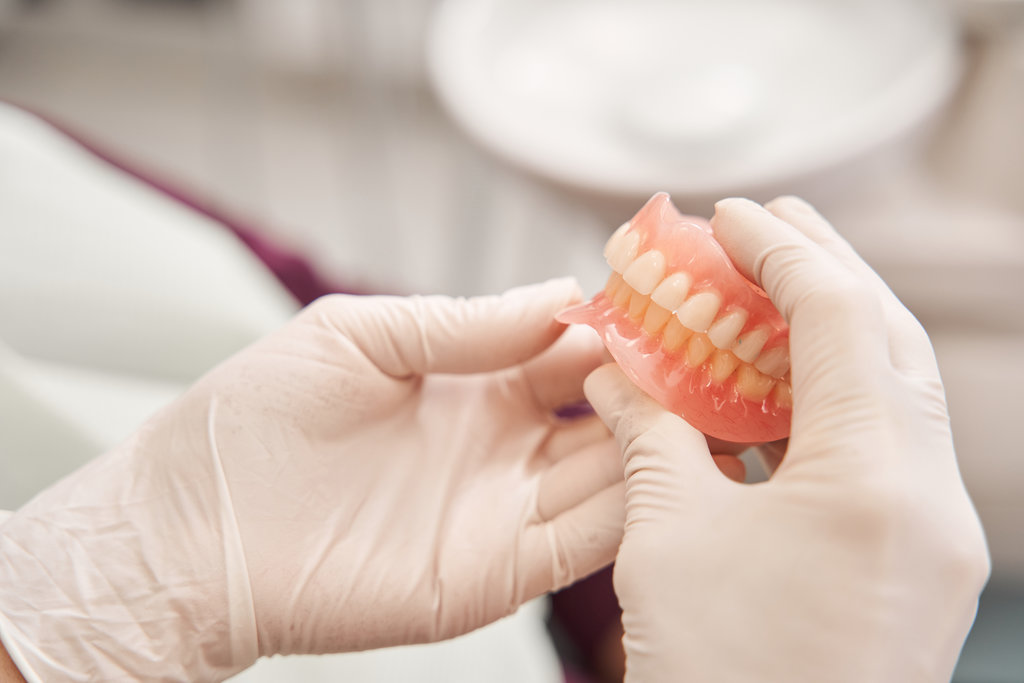
Dental Implants vs. Dentures: Making the Right Choice for Your Lifestyle in New Jersey

Losing multiple teeth creates a crossroads moment that forces difficult decisions about your future oral health and quality of life. The choice between dental implants and traditional dentures affects far more than just your smile—it impacts your ability to enjoy favorite foods, speak confidently in professional settings, and maintain the active lifestyle that New Jersey residents value. Each option comes with distinct advantages and considerations that must align with your personal priorities, health status, and long-term goals.

At Colonia Dental Associates, we help patients in the Woodbridge area navigate these important decisions through comprehensive consultations and personalized treatment planning. Our fee-for-service approach allows us to recommend the best solution for your unique situation without insurance limitations, ensuring you receive honest guidance about dental implants and other tooth replacement options that will serve you well for years to come.

Understanding Your Replacement Options

Dental implants and dentures represent fundamentally different approaches to tooth replacement, each addressing the challenge of missing teeth through distinct mechanisms. Implants function as artificial tooth roots, surgically placed into your jawbone to provide permanent anchoring for replacement teeth. This approach most closely mimics your natural tooth structure, providing stability and function comparable to your original teeth.

Traditional dentures, by contrast, rest on your gums and rely on suction, adhesives, or clasps for retention. While modern dentures have improved significantly in comfort and appearance, they remain removable appliances that require daily maintenance and periodic adjustments. Approximately 178 million Americans are missing at least one tooth, and about 40 million Americans are missing all of their teeth, making the choice between these options increasingly relevant for many patients.

The biological impact differs substantially between these approaches. Implants stimulate your jawbone through normal chewing forces, helping preserve bone density and facial structure. Dentures don’t provide this stimulation, which can lead to gradual bone loss and changes in facial appearance over time.

Transform Your Smile Today

Book NowCall Now

Lifestyle Considerations for Active New Jersey Residents

Your daily routine and lifestyle preferences should heavily influence your tooth replacement decision. Dental implants integrate seamlessly into your existing oral hygiene routine, requiring only regular brushing and flossing just like natural teeth. You can eat virtually any food without concern about displacement or discomfort, making family dinners and social gatherings more enjoyable and stress-free.

Dentures require more complex daily maintenance and dietary modifications that some patients find restrictive. The following considerations affect daily life with removable dentures:

  • Avoiding sticky or hard foods that might dislodge the prosthetic
  • Removing dentures for thorough cleaning each night
  • Using adhesives or cleaning solutions for proper fit and hygiene
  • Periodic adjustments as your mouth shape changes over time
  • Potential speech changes during the adjustment period

For active individuals who enjoy hiking, sports, or outdoor activities common in New Jersey, implants provide confidence and security that removable prosthetics cannot match. The psychological impact of knowing your teeth are permanently secured often translates into greater willingness to engage in social and professional activities without self-consciousness about potential embarrassment.

Long-Term Investment Perspective

While implants typically require a higher initial investment than dentures, the long-term value equation often favors implants for many patients. Quality cosmetic dentistry and restorative treatments like implants can last decades with proper care, while dentures typically require replacement every 7-10 years due to wear and changes in jaw structure.

The hidden costs of dentures include regular adhesive purchases, special cleaning solutions, periodic relines and adjustments, and eventual complete replacement. These ongoing expenses, combined with potential limitations in food choices and social activities, can make the total lifetime cost of dentures comparable to or greater than implants while providing less satisfaction and function.

Implants also protect your remaining oral health by preserving jawbone structure and not requiring modification of adjacent healthy teeth. This preservation of natural structures often prevents future dental problems that might require additional treatment and expense. Our fee-for-service approach allows us to focus on providing treatments that offer the best long-term value rather than the cheapest short-term option.

Make the Right Choice at Colonia Dental Associates

Choosing between dental implants and dentures represents a significant decision that will impact your daily life for years to come. At Colonia Dental Associates, we believe in providing honest, comprehensive guidance that considers your unique lifestyle, health status, and personal priorities. Our commitment to quality means we use only the finest materials and techniques, ensuring whatever option you choose will provide optimal function and longevity.

We understand that each patient’s situation is different, and we take time to explain all available options without pressure or bias toward more expensive treatments. Whether you ultimately choose implants, dentures, or a combination approach, you can trust that our experienced team will deliver exceptional results that enhance your quality of life and restore your confidence. Contact us at (732) 381-7171 or schedule your consultation online to discuss which tooth replacement option best fits your New Jersey lifestyle.

The Hidden Costs of Choosing a Corporate Dental Chain Over Your Local Woodbridge Dentist

Corporate dental chains promise convenience and affordability, but many Woodbridge residents discover too late that these apparent savings come with significant hidden costs. From rushed appointments and unnecessary procedures to inferior materials and impersonal care, the true expense of choosing a dental service organization often extends far beyond the initial price tag.

At Colonia Dental Associates, we understand the importance of providing transparent, high-quality dental care that prioritizes your oral health. Our fee-for-service approach means we can focus on providing the comprehensive treatment you need rather than meeting corporate quotas or maximizing profits through high-volume, assembly-line dentistry.

The Rush to Revenue Creates Treatment Pressure

Corporate dental chains operate on a business model that prioritizes volume over quality, leading to a treatment environment where speed matters more than thoroughness. Dentists working for these organizations often face pressure to see a certain number of patients per day and generate specific revenue targets, which can compromise the quality of care you receive.

This pressure frequently results in rushed examinations where important details get overlooked. Research from the American Dental Association shows that some 100 million Americans fail to see a dentist each year, even though regular dental examinations and good oral hygiene can prevent most dental diseases. When your appointment is limited to just 15 minutes, your dentist may miss early signs of problems that could be addressed with simple, cost-effective treatments.

The consequences of hurried dental care compound over time. What begins as a minor issue that could have been resolved with a simple filling may progress to require a crown, root canal, or even extraction. Corporate chains often benefit from these escalating treatments since they generate more revenue, creating a troubling conflict of interest between your health and their profits.

Inferior Materials and Shortcuts Affect Longevity

Many corporate dental chains cut costs by using lower-quality materials and laboratory services, which can significantly impact the durability and appearance of your dental work. While these shortcuts may not be immediately apparent, they often lead to premature failure and the need for costly replacements.

Crowns and fillings made with substandard materials may chip, crack, or fail within just a few years, requiring expensive repairs or complete replacement. Quality dental restorations should last decades with proper care, making the initial investment in premium materials and craftsmanship a wise financial decision. Corporate chains may also rush laboratory work to meet tight schedules, resulting in poor-fitting crowns or bridges that cause discomfort and require adjustments.

The hidden cost of these shortcuts becomes evident when you need extensive repairs or replacements far sooner than expected. Local practices like ours invest in high-quality materials and work with trusted laboratories to ensure your dental work stands the test of time, ultimately saving you money and avoiding unnecessary procedures.

Transform Your Smile Today

Book NowCall Now

Assembly-Line Approach Misses Individual Needs

Corporate dental chains often follow standardized treatment protocols that fail to account for your unique oral health needs and personal preferences. This one-size-fits-all approach can lead to overtreatment, missed opportunities for conservative care, and procedures that don’t align with your specific situation.

The assembly-line mentality extends beyond treatment planning to include limited consultation time and minimal patient education. You may receive a treatment plan without understanding your options or learning about preventive measures that could eliminate the need for extensive procedures. Local dentists take time to discuss your concerns, explain treatment alternatives, and help you make informed decisions about your oral health.

Key differences you can expect when choosing a local practice over a corporate chain:

  • Comprehensive consultations with adequate time for questions and discussion
  • Personalized treatment plans based on your specific needs and preferences
  • Access to your dentist for follow-up questions and concerns 
  • Consistent care from the same dental team that knows your history 
  • Treatment recommendations based on your health rather than corporate quotas

This personalized approach often prevents minor issues from becoming major problems, saving you both money and discomfort in the long run.

The True Value of Local Dental Care

Corporate dental chains may advertise low prices, but the hidden costs of rushed care, inferior materials, and impersonal service often result in higher expenses over time. When you choose a local Woodbridge dentist, you invest in comprehensive care that prioritizes your long-term oral health rather than short-term profits.

Our practice offers transparent pricing, quality materials, and personalized attention that addresses your unique needs. We accept various financing options, including Cherry and Care Credit, to make quality dental care accessible without compromising on the level of service you deserve. For more information about our services or to schedule a consultation, please contact our office.

Can a Smile Makeover Fix Crooked Teeth? A Complete Guide

A crooked or misaligned smile can hold you back from feeling confident and happy. Luckily, Smile Makeovers in Colonia, NJ, offers personalized solutions that transform not just your teeth but your whole outlook. Whether you’re making minor tweaks or pursuing major changes, discover how a smile makeover can correct crooked teeth and reveal a brighter, more confident you—starting today.

Understanding Crooked Teeth – Causes and Consequences

Crooked teeth aren’t always a cosmetic concern. In fact, they often come with deeper oral health implications. But first, let’s look at what causes them in the first place.

Why do teeth become crooked?

  • Genetics: If your parents had misaligned teeth, you might have inherited the same jaw structure or spacing.
  • Thumb sucking or pacifier use: Habits like these in early childhood can shift developing teeth.
  • Mouth breathing or tongue thrusting: These can affect jaw growth over time.
  • Injuries or trauma: A fall, sports injury, or accident can cause teeth to move or erupt abnormally.

Now, let’s get into why this matters.

Consequences of crooked teeth:

  • Poor bite alignment: This can cause stress on the jaw and lead to TMJ discomfort or headaches.
  • Difficult cleaning: Crooked teeth create tight spots where plaque builds up, leading to cavities or gum issues.
  • Speech problems: Misalignment can alter tongue placement, affecting how you pronounce words.
  • Self-esteem issues: Many people avoid smiling in photos or feel anxious in social situations.

Crooked teeth aren’t just “a look,” they can impact your health and confidence.

What Does a Smile Makeover Include?

A smile makeover is a customized dental care plan that blends multiple dental techniques to improve the appearance of your smile. It’s not one-size-fits-all. Your plan depends on what your smile needs, especially if alignment is a concern.

Key procedures often included:

  • Porcelain veneers: Ultra-thin porcelain laminates bonded to the front of your teeth to refine their position, brighten their hue, and alter anatomy to appear natural and esthetic.
  • Dental crowns: Best for teeth that are damaged or weakened and need full coverage.
  • Bonding: A simple, quick fix using tooth-colored resin to reshape slightly misaligned teeth.
  • Teeth whitening: To even out color after other treatments.
  • Orthodontics: As part of your personalized treatment plan, we might integrate braces or clear (removable) aligners to gently guide your teeth into their right positions.

Each of these contributes to smile restoration in its own way, combining beauty with function.

Orthodontics vs. Smile Makeover – What’s the Difference?

Here’s where people often get confused. If your teeth are crooked, wouldn’t braces be the obvious answer? Sometimes yes. But not always.

Let’s compare the two:

  • Orthodontics is about moving teeth over time using controlled force. Think braces or clear aligners like Invisalign.
  • A smile makeover, on the other hand, might use cosmetic methods to make crooked teeth appear straight without moving them.

When is orthodontics necessary?

  • Severe crowding or bite issues
  • Jaw misalignment
  • Cases where functionality is just as important as aesthetics

When a smile makeover works better:

  • Minor misalignment or spacing issues
  • You want faster results
  • You’re combining alignment correction with other cosmetic needs

Sometimes, the best approach is to blend both. Orthodontics can lay the groundwork, and a smile makeover can enhance the shade and anatomy of the teeth once they are aligned.

Smile Makeover Procedures That Can Fix Crooked Teeth

The good news? There are more ways than one to correct crooked teeth without traditional braces.

Let’s explore the most common tools used in a smile makeover:

Transform Your Smile Today

Book NowCall Now

Porcelain Veneers

These are the go-to for many cosmetic dentists. Veneers are custom-crafted, wafer-thin restorations bonded to the front surfaces of your teeth to refine their contours and correct minor misalignments.

Best for:

  • Minor crowding
  • Uneven lengths
  • Gaps or small twists

Dental Bonding

Think of this as a budget-friendly mini makeover. Bonding uses resin to reshape your teeth in just one visit.

Best for:

  • Slight overlaps or gaps
  • Chipped or irregularly shaped teeth
  • Fast fixes without much prep

Invisalign or Clear Aligners

Yes, these are technically orthodontic, but many smile makeovers near you include them.

Why?

Because aligners are nearly invisible and can fix alignment over time, often in less than a year.

Best for:

  • Moderate crowding
  • Spacing
  • Aligning teeth before applying veneers

Combining procedures is where the magic happens. You may straighten your teeth with aligners, then finish with veneers or whitening for a flawless look.

What to Expect During and After a Smile Makeover

A smile makeover isn’t just one appointment. It’s a process but a rewarding one.

Here’s what you can expect:

Initial Consultation

Your Colonia dentist will examine your teeth, take X-rays, and discuss your goals. Digital imaging may be used to preview results.

Treatment Timeline

Depending on the complexity, a smile makeover can take anywhere from a few weeks to several months.

  • Bonding or whitening: Usually, one visit
  • Veneers: Two to three appointments
  • Invisalign: Several months

Aftercare Tips

  • Maintain excellent oral hygiene
  • Avoid staining foods or drinks if you’ve whitened your teeth
  • Wear a retainer if aligners are used
  • Attend regular checkups

Realistic expectations are key. While makeovers can create amazing changes, they don’t replace the need for healthy habits.

Final Thoughts

A smile makeover can truly transform crooked teeth and boost your confidence. With personalized care and expert treatments, achieving your dream smile is possible. At Colonia Dental Associates, we’re dedicated to helping you every step of the way. Ready to take the first step? Schedule your consultation today and experience the power of a beautiful, healthy smile.

Why You Shouldn’t Ignore Cavities: The Importance of Dental Fillings

Cavities are not merely cosmetic flaws; they signify active tooth decay that progresses quietly if untreated. In their early stages, cavities often cause no pain, yet they steadily compromise tooth structure and overall oral health. Delaying treatment allows decay to worsen, leading to more extensive and costly dental procedures. Dental fillings play a significant role in halting this progression, restoring function, and preserving natural teeth. Understanding their importance is essential for maintaining long-term oral health and a confident smile.

What Are Cavities and How Do They Form?

Cavities are small holes or areas of decay within a tooth. They develop when dental plaque—a sticky film of bacteria and food particles—accumulates on teeth. These bacteria metabolize sugars, producing acids that gradually erode enamel.

Once enamel weakens, decay advances into the softer dentin layer, moving closer to the tooth’s nerve. If left untreated, this can result in pain, infection, and, eventually, tooth loss.

Common Causes of Cavities:

  • Inadequate brushing and flossing
  • High sugar consumption
  • Dry mouth (reduced saliva flow)
  • Frequent acidic foods and drinks
  • Deep grooves where plaque accumulates

Maintaining oral health requires daily hygiene, proper nutrition, routine dental visits, and seeking a dental filling near you at the first sign of decay.

The Hidden Risks of Ignoring Cavities

A small cavity might seem harmless, especially if it is painless. However, cavities do not resolve on their own. Without timely treatment, decay deepens, leading to serious dental complications.

Potential Consequences:

  • Severe Toothache: Pain intensifies as decay reaches the nerve.
  • Infections & Abscesses: Bacterial infections may spread, causing swelling, fever, and systemic health issues.
  • Root Canal Therapy: Advanced decay often necessitates more invasive procedures.
  • Tooth Loss: Untreated cavities can lead to irreversible damage and extraction.
  • Higher Treatment Costs: Early intervention with a simple filling is far more cost-effective.

Prompt treatment with dental fillings in Colonia, NJ, is key to preventing cavities from worsening and maintaining healthy teeth.

Transform Your Smile Today

Book NowCall Now

Why Dental Fillings Are Essential: More Than Just Repairs

Dental fillings are not merely about closing a cavity. They are vital for restoring tooth integrity, halting decay, and safeguarding overall oral function.

Key Benefits of Dental Fillings:

  • Stops Decay: Removes damaged tissue and seals the area to prevent bacterial infiltration.
  • Restores Strength: Reinforces the tooth, allowing normal biting and chewing.
  • Preserve Tooth Structure: Minimally invasive fillings protect more of the natural tooth.

Addressing decay with a timely tooth filling limits the need for extensive procedures and safeguards your dental health.

Types of Dental Fillings: Selecting the Right Material

Choosing the appropriate filling depends on the location of the cavity, functional demands, and aesthetic preferences. Your Colonia dentist will guide you through the best options.

Common Filling Materials:

  • Composite Resin: Tooth-colored and ideal for visible areas.
  • Amalgam: Durable, silver-colored, suitable for molars. (Note: As per FDA, dental amalgam is safe for most but should be avoided by pregnant or nursing women, children under six, and those with neurological or kidney conditions.)
  • Gold: Extremely long-lasting but less common due to cost.
  • Ceramic (Porcelain): Highly aesthetic with strong stain resistance.
  • Glass Ionomer: Releases fluoride; often used for children or small cavities.

Discussing these options with your trusted local dentist ensures a solution tailored to both function and appearance.

Understanding the Dental Filling Process

Modern dentistry makes the filling process straightforward and comfortable. Here’s what typically happens:

  1. Examination: Visual inspection and X-rays confirm the cavity’s presence.
  2. Anesthesia: Local anesthetic ensures a pain-free experience.
  3. Decay Removal: The decayed portion is meticulously cleaned out.
  4. Filling Placement: The selected material is applied, shaped, and bonded.
  5. Polishing & Bite Adjustment: Final touches ensure proper fit and natural appearance.

Most fillings are completed in under an hour, with immediate restoration of function.

Act Early, Preserve Your Smile

Cavities do not heal on their own. Ignoring them leads to pain, infection, and costly treatments. Early intervention with dental fillings protects your natural teeth, minimizes future complications, and preserves oral function.

At Colonia Dental Associates, we provide evidence-based, patient-centered care to restore your smile’s strength and health. Schedule your appointment today for expert dental fillings in Woodbridge Township, NJ, and take proactive steps toward lasting oral wellness.

Can You Save a Damaged Tooth? When Extraction Is the Best Option

Your real teeth are meant to last a lifetime, but accidents, decay, or infections can sometimes change that. Dentists prioritize saving teeth whenever possible, using advanced treatments to restore function and health. However, in some situations, extracting a tooth is the safest and most effective solution.

If you are unsure whether your tooth can be salvaged or if tooth removal is the best option, this guide will help.

1. How Dentists Determine If a Tooth Can Be Saved

It is not necessary to remove every damaged tooth. Your dentist will assess several factors before recommending extraction:

  • Extent of Decay – If a cavity reaches deep into the tooth and causes severe infection, saving it may not be possible.
  • Fractures or Cracks – A minor crack can be repaired, but if the damage extends below the gumline, the tooth may not heal properly.
  • Bone and Gum Health – If there is significant bone loss due to disease, the surrounding support may be too weak to keep the tooth stable.
  • X-rays & Exams – Dentists use imaging to determine whether a tooth has enough structure left to support treatments like fillings, crowns, or root canals.

If a tooth is healthy enough to retain and the infection is manageable, your dentist will explore treatment options before considering extraction.

2. Treatment Options for a Damaged Tooth

If your tooth can be treated successfully, your dentist may recommend one of these treatments:

Dental Fillings & Bonding

  • Best for small cavities or minor chips.
  • A filling restores the lost structure and prevents further decay.
  • Composite bonding can reshape and strengthen a damaged tooth.

Root Canal Therapy

  • Ideal for teeth with deep decay or infection.
  • The tooth is sealed after infected pulp is removed, to prevent reinfection.
  • It helps preserve your natural tooth and avoids extraction.

Crowns & Onlays

  • Strengthens teeth with extensive decay or fractures.
  • A dental crown covers and shields the entire tooth.
  • Onlays are used when only part of the tooth needs reinforcement.

Seeking treatment early increases the chances of saving a tooth. Delaying care may lead to irreversible damage, making extraction the only option.

3. Signs a Tooth May Need Extraction Near You

While saving a tooth is always the goal, there are situations where extraction is the best choice:

  • Severe Decay – When a cavity destroys most of the tooth structure, it may not be strong enough for a filling or crown.
  • Cracked Tooth Beyond Repair – If a deep fracture extends into the root, the tooth cannot heal properly.
  • Advanced Gum Disease – If periodontal disease causes extensive bone loss, the tooth may loosen and require removal.
  • Recurring Infections – A tooth that repeatedly gets infected despite treatment might need extraction to prevent further complications.
  • Impacted or Overcrowded Teeth – Wisdom teeth or overcrowded teeth may need removal to prevent pain, misalignment, or infections.

If you are experiencing any of these signs, consult a dentist for an evaluation. Ignoring symptoms can lead to further pain and complications.

Transform Your Smile Today

Book NowCall Now

4. What Happens During a Tooth Extraction?

If your dentist determines that removing a tooth is necessary, here’s what to expect:

Step 1: Exam & Preparation

Your dentist will take X-rays to do an assessment of the tooth and surrounding bone. If an extraction is necessary, they will decide between a simple or surgical procedure.

Step 2: Numbing & Sedation

  • A local anesthetic is applied to numb the area.
  • For more complex cases, sedation options like nitrous oxide may be available.

Step 3: Extraction Process

  • Simple Extraction – The dentist makes the tooth loose and carefully removes it using forceps.
  • Surgical Extraction – If the tooth is trapped or broken at the gumline, a small incision may be necessary. If a tooth is fractured or brittle, it may be removed in small sections intentionally. In some cases, the tooth is removed in pieces to avoid bone loss.

Step 4: Aftercare & Healing

  • Bite down on gauze to control bleeding.
  • Avoid rinsing, spitting forcefully, or drinking through a straw for 24 hours.
  • Stick to soft foods and follow aftercare instructions for proper healing.

Mild discomfort is expected after a tooth is removed, but pain relief medications and cold compresses can help manage it.

5. Tooth Replacement Options After Extraction

Losing a tooth doesn’t mean you have space remaining or compromised function and esthetics. Here are solutions to restore your smile:

Dental Implants

  • A permanent solution that imitates the look and function of a natural tooth.
  • It helps maintain jawbone health and prevents bone loss.
  • Long-lasting and durable with proper care.

Bridges

  • A replacement tooth anchored by neighboring teeth.
  • Restores function and appearance without requiring surgery.
  • It’s a great alternative when implants aren’t an option for patients who are ideal candidates.

Dentures

  • Suitable for multiple missing teeth.
  • It can be partial (replacing a few teeth) or full (replacing an entire arch).
  • Modern dentures fit comfortably and look more natural than ever.

For further assistance, talk to your dentist.

Final Thoughts

Saving a tooth is always the first choice, but when damage is too severe, an extraction may be necessary. If you are unsure about your options, visit Colonia Dental Associates for a professional evaluation. Whether your tooth can be treated successfully or needs to be removed, modern dental solutions ensure your smile remains strong, healthy, and confident.

How Dental Veneers Can Fix Gaps, Chips, and Stains

A well-aligned and healthy smile can support both oral function and self-assurance. However, imperfections like gaps, chips, or stubborn stains can be a concern. Dental Veneers in Colonia, NJ, offer an excellent solution to enhance your teeth, creating a flawless and radiant appearance.

What Are Dental Veneers?

Designed for a natural look, veneers are ultra-thin, personalized restorations that adhere to the front surface of teeth to improve aesthetics.Typically made from porcelain, veneers are a versatile cosmetic treatment that addresses:

  • Spacing issues between teeth
  • Chipped or cracked teeth
  • Stubborn discoloration that doesn’t respond to whitening treatments

Porcelain Veneers: The Superior Choice

Porcelain veneers are custom-made in a lab, ensuring a precise fit and a natural appearance. They are highly resistant to staining and last significantly longer than other options. These are ideal for:

  • Correcting severe discoloration
  • Reshaping misaligned or uneven teeth
  • Providing a durable and long-lasting cosmetic solution

How Veneers Address Common Issues

Closing Spaces: Porcelain veneers can effectively cover gaps, creating a symmetrical and seamless smile without orthodontics.
Repairing Chips and Cracks: Minor chips or cracks can make teeth appear uneven. Veneers restore a smooth surface, enhancing the natural shape of the teeth.
Hiding Stubborn Stains: Some stains are too deep for whitening treatments. Porcelain veneers cover discoloration with a thin yet durable layer, providing a bright and natural look.

The Process of Getting Veneers

Receiving veneers is a straightforward process that includes:

Consultation and Evaluation

During your consultation, the dentist assesses your teeth, reviews your aesthetic goals, and determines if veneers are the best option for your smile. X-rays or impressions may be taken to plan the procedure.

Tooth Preparation

A minimal amount of enamel is removed to ensure a proper fit. This step is essential for seamless bonding and natural results.

Custom Veneer Creation and Placement

Designed with precision, porcelain veneers are lab-created to replicate the texture, translucency, and hue of natural teeth, delivering a beautifully natural-looking smile. Once ready, they are bonded securely to your teeth using a strong adhesive.

Final Adjustments

The dentist makes minor modifications for a comfortable fit and polishes the veneers to achieve a natural, radiant finish.

Transform Your Smile Today

Book NowCall Now

Benefits of Porcelain Veneers

Porcelain veneers offer numerous advantages, making them a top choice for cosmetic dental enhancements:

  • Natural Appearance: Mimics the translucency of real teeth for a seamless look.
  • Durability: With proper care, porcelain veneers can last over a decade.
  • Stain Resistance: Unlike natural teeth, porcelain veneers resist staining from coffee, tea, and wine.
  • Quick Transformation: Achieve a dramatically improved smile in just a few visits.

Caring for Veneers

Maintaining porcelain veneers is simple with proper oral hygiene:

  • Commit to daily brushing and flossing to minimize plaque buildup and support oral health.
  • Prevent veneer damage by not biting on hard objects like ice, pens, or bottle caps.
  • Wearing a nightguard can help safeguard your veneers if you have a habit of teeth grinding.
  • Regular dental office visits allow your dentist to monitor your veneers and detect potential issues early.

Common Questions About Veneers

Do veneers damage natural teeth?

Veneers require minimal enamel removal while preserving most of the natural tooth structure.

Are veneers permanent?

While long-lasting, veneers may need replacement after 10-15 years, depending on care.

Can veneers fix severe alignment issues?

For major misalignment, orthodontic treatments like braces or aligners may be a better option.

When to Consider Veneers

If gaps, chips, or stains affect your confidence, veneers could be the right choice. Whether correcting a single tooth or transforming multiple teeth, porcelain veneers offer a tailored solution for a flawless smile.

Why Choose Colonia Dental Associates?

At Colonia Dental Associates, we prioritize personalized care and outstanding results. Combining precision with a patient-centered approach, we ensure a comfortable and efficient veneer treatment process. By integrating advanced technology and personalized care, we create stunning, long-lasting porcelain veneers that enhance your smile.

Conclusion

Porcelain veneers provide an effective way to correct gaps, chips, and stains, delivering a long-lasting, natural-looking solution. With their durability and aesthetic appeal, they offer a predictable transformation for a radiant smile. Choosing veneers is a commitment to your dental health and confidence—partnering with an experienced provider and maintaining good oral hygiene ensures lasting aesthetics and function.

Why Do Some People Get Crowns on Their Teeth?

Teeth go through a lot—chewing, biting, grinding, and sometimes, unexpected accidents. Over time, they can weaken, crack, or decay. That’s where dental crowns in Colonia, NJ, come in. These protective caps restore strength, function, and aesthetics, keeping your smile intact. Whether it’s to fix a damaged tooth or enhance appearance, crowns play a crucial role in dental health.

What Is a Dental Crown?

Think of a dental crown as a helmet for your tooth—it protects, strengthens, and improves the overall appearance of a damaged or weakened tooth. Dentists recommend crowns when a tooth has extensive decay, cracks, or structural loss that a simple filling can’t address.

How Does a Crown Work?

A crown fully encases the noticeable part of the tooth, acting as a shield against further damage. Unlike fillings, which treat small cavities, crowns restore function and appearance, allowing you to chew, bite, and smile confidently.

Different Types of Dental Crowns

Crowns come in various materials, each offering different benefits:

  • Porcelain: Best for front teeth, blends seamlessly with natural enamel.
  • Metal (Gold or Silver): Extremely durable, ideal for molars.
  • Zirconia: A strong, tooth-colored option that balances durability and aesthetics.

Common Reasons for Getting a Dental Crown

1. Tooth Decay and Damage

Cavities don’t just stop at fillings. If decay reaches a point where too much tooth structure is lost, a crown becomes necessary. Large fillings can make teeth weak and prone to breaking, but a crown offers complete coverage and protection.

Key Fact: Severe decay can spread, affecting neighboring teeth. Crowning a compromised tooth prevents further complications and preserves oral health.

2. After a Root Canal Treatment

Root canals remove infection from inside a tooth, but the process leaves the tooth brittle and fragile. Without a nerve to keep it nourished, it becomes more susceptible to cracking.

A crown acts as a reinforcement, keeping the treated tooth functional for years.

Why is a crown necessary after a root canal?

A tooth with a root canal has a higher risk of fracturing, especially molars, which endure strong chewing forces. Crowning them ensures long-term durability.

3. Cracked or Broken Teeth

Ever bitten into something unexpectedly hard? Cracks can develop from accidental injuries, nighttime grinding (bruxism), or wear and tear. Left untreated, these cracks may worsen, leading to pain, infection, or tooth loss.

A tooth cap protects against further breakage while restoring normal function.

Transform Your Smile Today

Book NowCall Now

How to tell if a crack needs a crown:

  • Sudden pain when biting
  • Visible fractures on the surface
  • Sensitivity to hot or cold

If you notice these signs, a dentist can determine whether a crown is the best solution.

4. Cosmetic Enhancements

Crowns aren’t just for damage—they’re also used for cosmetic reasons. If you have a misshapen, discolored, or uneven tooth, a crown can improve its size, shape, and shade.

Veneers vs. Crowns:

  • Veneers only cover the front surface and are for minor adjustments.
  • Crowns cover the entire tooth, making them ideal for more extensive cosmetic changes.

If a tooth is severely worn down or discolored beyond whitening, a crown offers a permanent and natural-looking solution.

5. Supporting a Dental Bridge

When a tooth is missing, a dental bridge can fill the space. But bridges need support—and that’s where crowns come in. They anchor the bridge in place, using neighboring teeth as support.

Why bridges need crowns:

  • They keep surrounding teeth from shifting into empty spaces.
  • They help maintain a balanced bite and prevent jaw pain.

If you’re considering a bridge, your dentist will assess whether the adjacent teeth are strong enough to hold crowns for support.

The Process of Getting a Dental Crown

Getting a dental crown near you typically requires two visits. During the first visit, the tooth is prepared, and impressions are taken. A custom crown is then crafted and placed during the second visit.

Step 1: Tooth Preparation

  • The dentist removes decay and reshapes the tooth to fit the crown.
  • If the tooth is extremely damaged, a build-up material may be added for support.

Step 2: Taking Impressions

  • A digital scan or traditional mold is taken to create a precise fit.
  • A temporary crown is settled while the final one is fabricated in a lab.

Step 3: Crown Placement

  • The dentist removes the temporary crown.
  • The permanent crown is adjusted for a perfect fit and cemented into place.

How to Care for a Dental Crown

Crowns are durable, but they require proper care to last 10-15 years or more.

Daily Care Routine

✔ Brush twice daily with fluoride toothpaste.

✔ Floss gently around the crown to prevent plaque buildup.

✔ Avoid sticky, hard foods like caramel, ice, and popcorn kernels.

Signs You May Need a Replacement

🚨 The crown feels loose or wobbly.

🚨 Visible chips, cracks, or discoloration.

🚨 Pain or sensitivity when biting.

If you notice any of these, visit your dentist to avoid further damage.

Final Thoughts

A dental crown near you isn’t just about fixing a tooth—it’s about protecting, strengthening, and enhancing your smile. Whether it’s for decay, cosmetic reasons, or post-root canal care, crowns play an essential role in long-term oral health.

If you think a crown might be right for you, Colonia Dental Associates can help you explore your options and keep your smile strong.

Whiten Your Smile, Brighten Your Life: 5 Reasons to Consider Teeth Whitening

Did you know that teeth whitening is one of the widely popular cosmetic dental procedures today? Having a bright, white smile can majorly boost your confidence and overall well-being. If you’re considering teeth whitening but unsure if it’s right for you or looking for professional teeth whitening, this article explores five compelling reasons why you might want to take the plunge.

Reason 1: Enhanced Appearance and Positive First Impressions

A bright smile is often the first thing people notice. Whiter teeth can make you look much younger, healthier, and more attractive. This can be specifically beneficial in social situations and professional settings where first impressions are crucial. Teeth whitening can amazingly transform your smile and enhance your confidence, allowing you to make a lasting positive impression.

Reason 2: Boosted Self-Confidence for a Brighter You

Confidence is key in all aspects of life. When you feel good about your smile, you’re more likely to project confidence in your interactions with others. Whiter teeth can significantly improve your self-esteem and help you feel more comfortable smiling and engaging with the world around you. Investing in the best teeth whitening can provide a significant boost to your self-assurance, allowing you to shine both personally and professionally.

Transform Your Smile Today

Book NowCall Now

Reason 3: Quick and Effective Results for a Radiant Smile

Unlike over-the-counter whitening products that may take weeks or even months to show visible improvement, professional teeth whitening treatments deliver fast and dramatic results. Often, professional whitening can achieve a whiter smile in just one session. This makes it a perfect option for those who want to see quick and effective results without the hassle of using unreliable over-the-counter products. Professional teeth whitening ensures that you achieve a brighter smile efficiently and effectively, allowing you to enjoy the confidence of a radiant smile sooner.

Reason 4: Safe and Comfortable Procedure with Experienced Dentists

Professional teeth whitening is a very safe and comfortable procedure performed under the supervision of experienced dental professionals at Colonia Dental Associates. Our dentists use advanced techniques and high-quality materials to ensure the safety and effectiveness of your treatment. Your teeth and gums are thoroughly protected throughout the process, minimizing any discomfort. A dentist for teeth whitening can provide a safe environment for your whitening procedure, ensuring optimal results with minimal discomfort. You can relax and trust that you’re in good hands while achieving a whiter, brighter smile.

Reason 5: Long-Lasting Results with Proper Care

The outcomes of professional teeth whitening can last for a long time with utmost care and maintenance. Regular dental exams and good oral hygiene practices, like brushing twice a day and everyday flossing, are essential for maintaining your bright smile. Colonia Dental Associates offers the best teeth whitening solutions that provide long-lasting and satisfactory results. With proper care, you can enjoy the confidence of a white smile for years to come.

Conclusion

If you’re interested in knowing more about teeth whitening process and the way it can benefit you, book a consultation with our dental practice today. ‘Our experienced dentists will be happy to discuss your teeth whitening alternatives and create a personalized treatment plan to help you attain expected results. Take the first step towards a brighter, more confident you!

A brighter smile can definitely make a great difference in your life. It can boost your confidence, enhance your appearance, and make a positive first impression. By considering teeth whitening, you’re investing in yourself and your overall well-being. We’re always dedicated to helping you achieve a smile you can be proud of. Contact us today to learn more about teeth whitening and take the very first step toward a brighter future.

Expectations When Getting A Root Canal Treatment

Root Canal Treatments, or endodontic therapy, are dental procedures to save teeth that are severely infected or decayed. Although they might sound scary, root canals in Colonia, Woodbridge Township, NJ, can relieve pain and keep your natural smile intact. This blog will describe the technique and why it may be needed.

What Are the Common Reasons for Needing a Root Canal?

  • Severe tooth decay or cavities that have penetrated the pulp
  • Trauma or injury to the tooth causing nerve damage
  • Infection in the root of the tooth
  • Cracked or fractured teeth exposing the pulp

How Does a Root Canal Procedure Work?

An endodontist near you carefully extracts the diseased or damaged pulp from the inside of the tooth during a root canal treatment. After that, the tooth is sealed, cleaned, and disinfected to stop infection from spreading. Here’s a quick rundown of the procedures involved:

  • Anesthesia: The area around the tooth is numbed to ensure a pain-free experience.
  • Access Opening: A tiny tooth aperture is needed to access the pulp chamber.
  • Removal of Pulp: Specialized tools remove the damaged or infected pulp.
  • Cleaning and Shaping: The root canals undergo careful cleaning and shaping in preparation for filling.
  • Filling and Sealing: The canals are sealed after being filled with gutta-percha, a biocompatible substance, to stop reinfection.

What to Anticipate From a Root Canal Consultation?

A root canal appointment typically involves several steps to effectively clean and restore the affected tooth. While the process may vary slightly depending on the specific case and the dentist’s techniques, here’s a general overview of what to expect:

  • Initial Assessment: To evaluate the level of damage and decide whether a root canal is required, your local dentist will perform a comprehensive examination that includes X-rays.
  • Anesthesia: To make sure you are comfortable throughout the dental treatment, a local anesthetic will be administered to numb the affected area before the procedure starts.
  • Access Opening: To reach the diseased or damaged pulp, your dentist will make a tiny access hole in the tooth once the anesthesia takes effect.
  • Pulp Removal: The diseased or damaged pulp in the pulp chamber and root canals is carefully removed with specialized tools.
  • Cleaning and Shaping: After that, the root canals are shaped, cleaned, and disinfected to eliminate any leftover debris and bacteria.
  • Filling and Sealing: Once the canals are prepared, they are filled with biocompatible gutta-percha and sealed to prevent recontamination.

Transform Your Smile Today

Book NowCall Now

Are Root Canals Painful? Debunking Myths and Addressing Concerns

Contrary to popular belief, modern root canals near you are relatively painless thanks to advancements in anesthesia and techniques. While you may experience discomfort during recovery, the procedure is not painful. Addressing dental issues promptly can prevent further complications and discomfort in the long run.

How Long Does It Take to Recover After a Root Canal?

Recovery takes a few days to a week, depending on the patient. Mild pain or sensitivity is possible, but it should be manageable with over-the-counter pain medications. Following your dentist’s post-operative instructions carefully is essential to promote healing and avoid complications.

Will I Need Follow-Up Appointments After the Root Canal Procedure?

Yes, follow-up appointments are crucial to ensure the success of the root canal treatment. Your dentist will monitor your progress, check for any signs of infection or complications, and may recommend additional procedures if necessary. Additionally, routine dental examinations are crucial to preserving oral health and averting future dental problems.

What Are the Potential Benefits of Getting a Root Canal?

  • Pain Relief: Relieving pain is a major advantage of getting a root canal. Tooth pain and sensitivity may be alleviated by extracting diseased or damaged pulp from the inside of the tooth.
  • Preservation of Natural Tooth: Unlike tooth extraction, which removes the entire tooth, a root canal preserves the natural tooth structure. This keeps neighboring teeth from moving and preserves normal chewing function, both of which can result in bite issues.
  • Prevention of Further Infection: Root canal treatment removes bacteria and infection from the tooth, preventing it from spreading to other areas of the mouth or causing abscesses. This helps protect overall oral health and reduces the risk of more serious complications.
  • Long-Term Solution: With proper care the tooth treated with endodontics in Colonia, Woodbridge Township, NJ, can last a lifetime. This long-term solution achieves long-term time and cost savings by eliminating the need for regular replacements or adjustments.

Conclusion: Prioritizing Your Dental Health with Root Canal Treatments

Root canal treatments offer a viable solution for saving infected or damaged teeth and alleviating pain. By understanding what to expect during the procedure and addressing common concerns, you can confidently approach your root canal appointment. To keep your smile healthy for years to come, don’t forget to make an appointment for routine dental checkups and to seek quick treatment for any dental problems.

Ready to Address Your Dental Needs? Book Your Root Canal Appointment Today!

Don’t let dental discomfort hold you back. Contact Colonia Dental Associates to schedule your root canal appointment and take the first step toward optimal oral health. Our experienced endodontists are here to provide personalized care and support every step of the way.

How is Sleep Apnea Treated?

People with sleep apnea experience short breaks in breathing or weak breaths while they sleep. People who have trouble breathing may have trouble sleeping, and their blood oxygen levels may drop, which can make them tired, irritable, and even sick. Thankfully, there are diverse treatment choices to address and alleviate sleep apnea symptoms, enhancing sleep quality and overall health. This guide will explore the different treatment modalities for sleep apnea, including sleep apnea dental appliances in Colonia, NJ, CPAP therapy, surgical interventions, and lifestyle modifications.

Diagnosis of Sleep Apnea

The initial phase in managing sleep apnea is securing a precise diagnosis, which commonly encompasses undergoing a sleep study, also referred to as polysomnography, which monitors various physiological parameters during sleep, including breathing patterns, heart rate, and oxygen levels. A sleep lab or home tracking devices are used to perform sleep research.  A physician must prescribe and review this sleep study.

Lifestyle Changes

Apart from medical treatments, incorporating lifestyle adjustments can greatly enhance sleep apnea symptoms and overall well-being. Basic changes like weight loss, smoking cessation, and refraining from alcohol and sedatives before sleep can lessen the intensity of sleep apnea episodes. Furthermore, adopting good sleep habits, such as sticking to a consistent sleep routine, establishing a cozy sleep environment, and avoiding electronic devices before bedtime, can foster improved sleep quality and lower the likelihood of sleep disruptions.

Continuous Positive Airway Pressure (CPAP) Therapy

CPAP therapy, prescribed by a physician, is recognized as the primary treatment for obstructive sleep apnea, the most prevalent type of sleep apnea. This therapy incorporates wearing a mask linked to a CPAP machine that supplies a continuous airflow to maintain an open airway during sleep. The machine’s positive airway pressure prevents airway collapse, ensuring uninterrupted breathing throughout the night. CPAP therapy is notably successful in diminishing sleep apnea symptoms, enhancing sleep quality, and easing daytime fatigue. Nonetheless, individuals may require some time to adapt to wearing the mask and consistently using the CPAP machine.

Oral Appliance Therapy

For more mild cases of sleep apnea, a patient may benefit from an oral appliance. Custom-made oral appliances are worn while you sleep to move your jaw and tongue out of the way so that your airways don’t get blocked. These devices are easy to use, comfy, and very good at treating mild to severe sleep apnea. By moving the lower jaw forward slowly, they help keep the mouth open and lower the risk of breathing stopping while you sleep. Oral appliances can be obtained from qualified dental professionals specializing in sleep apnea treatment near you.

Transform Your Smile Today

Book NowCall Now

Surgical Options

In some cases, surgical procedures may be required to address sleep apnea, particularly when alternative treatments have been ineffective or are unsuitable for the individual’s particular situation. Surgical interventions for sleep apnea focus on eliminating excess throat tissue, adjusting the jaw position, or inserting devices to maintain an open airway during sleep. Surgical options are typically considered for severe cases of sleep apnea or when there are anatomical abnormalities contributing to airway obstruction. However, surgery is generally reserved as a last resort and is not always necessary to achieve symptom relief.

Combination Therapy

Combining different treatment modalities, such as CPAP therapy and oral appliance therapy, can provide optimal results for managing sleep apnea. This approach allows for personalized treatment plans tailored to individual needs and preferences, maximizing effectiveness and improving patient outcomes. For example, some individuals may benefit from using a CPAP machine at home and using an oral appliance while traveling or during naps. Combination therapy offers flexibility and versatility in addressing sleep apnea symptoms and can be adjusted based on individual response and tolerance to treatment.

Importance of Regular Follow-Up

Regular follow-up appointments with healthcare providers are essential for monitoring the effectiveness of sleep apnea treatment in Colonia, NJ, and making any necessary adjustments. These appointments allow for ongoing evaluation of symptoms, compliance with treatment, and overall progress toward better sleep and health. Healthcare providers may conduct follow-up sleep studies to assess treatment efficacy and recommend modifications to treatment plans as needed. Following your treatment plan and being honest with your healthcare team can help people with sleep apnea have a better quality of life and better long-term control of their condition.

Conclusion

Sleep apnea disorder necessitates timely diagnosis and treatment to avert complications and enhance quality of life. Fortunately, there exists a range of treatment choices, including dental appliances for sleep apnea, CPAP therapy, surgical interventions, and lifestyle modifications. Individuals with sleep apnea disorder can find relief from their symptoms and enjoy better sleep and overall well-being by working with a doctor to determine the most suitable approach.

Take Control of Your Sleep: Explore Treatment Options Today!

If you think you might have sleep apnea or are having symptoms that could be signs of it, such as loud breathing, feeling tired during the day, or gasping for air while you sleep, call Colonia Dental Associates who can perform an evaluation and help the patients in making the right steps to seek treatment. Don’t let sleep apnea disrupt your life—take the first step towards better sleep today.

Click to listen highlighted text!