How Modern Dental Technology Improves Your Treatment Experience

Walking into a dental office shouldn’t feel like stepping back in time. Advanced dental technology has revolutionized how patients experience care, transforming appointments from anxiety-inducing ordeals into efficient, comfortable procedures that deliver superior results.

At Colonia Dental Associates, our team integrates cutting-edge technology into every aspect of patient care. Dr. Singh and Dr. Apratim are Associate Fellows of the American Academy of Implant Dentistry with hundreds of hours of post-graduate training in advanced dental techniques, and they utilize modern equipment to provide precise, comfortable treatment in our cosmetic dentistry practice.

More Accurate Diagnoses With Digital Imaging

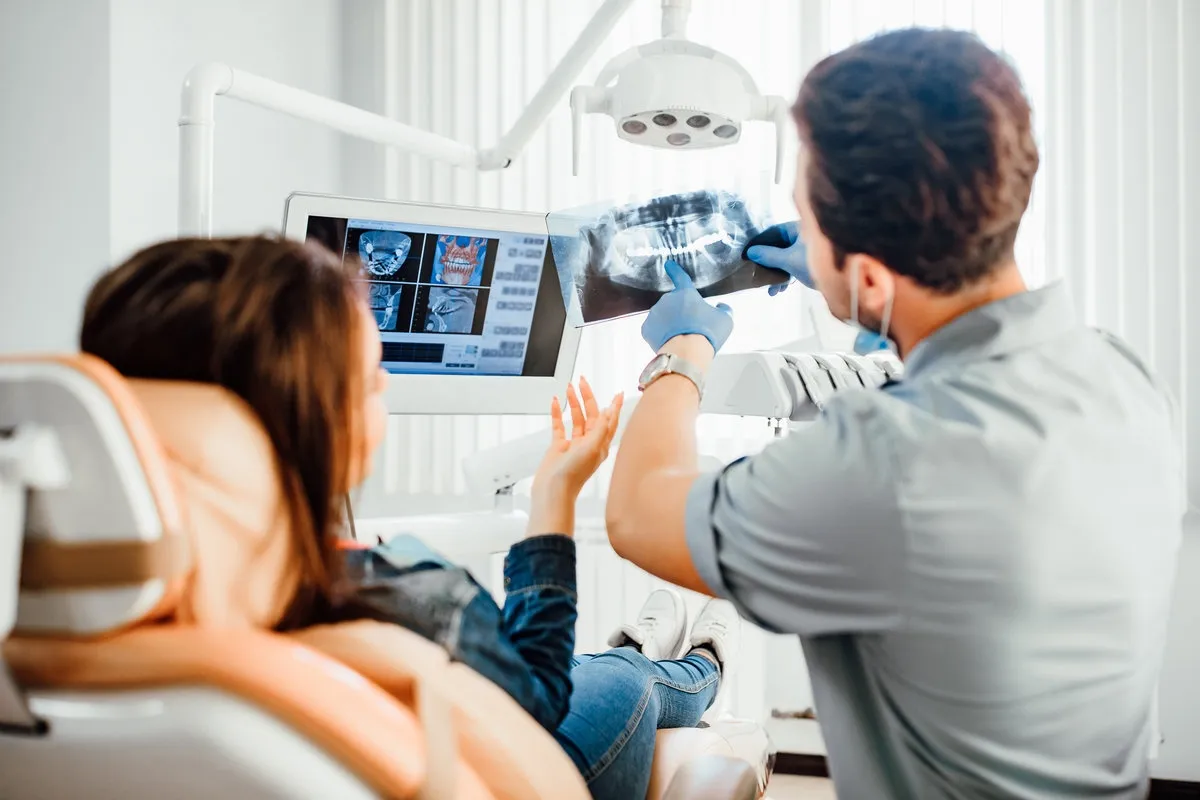
Digital imaging technology represents one of the most significant advances in modern dentistry. Unlike traditional X-rays, digital systems expose patients to up to 90 percent less radiation while producing clearer, more detailed images that can be viewed immediately. These high-resolution images allow dentists to detect problems earlier and plan treatments with greater precision, often identifying issues that would have gone unnoticed with older technology.

Intraoral cameras further enhance diagnostic capabilities by capturing detailed photographs inside your mouth. These tiny cameras provide magnified views of your teeth and gums, making it easier to spot early signs of decay, cracks, or gum disease. When patients can see what the dentist sees on a screen, they better understand their treatment needs and can make more informed decisions about their care.

Faster, More Comfortable Procedures

Modern dental technology has dramatically reduced treatment times while increasing patient comfort. Digital impression systems eliminate the need for uncomfortable putty molds that many patients find unpleasant. Instead, a handheld scanner creates precise 3D images of your teeth in minutes, making procedures like getting dental crowns or veneers significantly more comfortable.

Laser dentistry offers another leap forward in patient comfort. Dental lasers can treat soft tissue issues with minimal bleeding, reduced swelling, and faster healing times compared to traditional methods. Many laser procedures require little to no anesthesia, and patients typically experience less post-treatment discomfort. The precision of laser technology also preserves more healthy tooth structure during cavity treatment.

According to the National Institute of Dental and Craniofacial Research, approximately 90 percent of adults have had at least one cavity. Advanced detection and treatment technologies help address these common issues more effectively than ever before.

Transform Your Smile Today

Book NowCall Now

Enhanced Precision in Complex Treatments

Computer-aided design and manufacturing systems have revolutionized restorative dentistry. These systems create precisely fitted crowns, bridges, and other restorations with exceptional accuracy. The digital workflow reduces human error, ensures consistent quality, and often allows for same-day completion of procedures that previously required multiple appointments and temporary restorations.

For patients considering dental implants in Colonia, NJ, 3D imaging and computer-guided implant placement have transformed this procedure. Surgeons can now plan implant positions virtually before surgery, accounting for bone density, nerve locations, and optimal angles for long-term success. This advanced planning leads to better outcomes, fewer complications, and reduced healing times.

Improved Communication and Treatment Planning

Modern technology bridges the communication gap between dentists and patients. Treatment simulation software allows patients to preview potential outcomes before committing to cosmetic procedures like smile makeovers or teeth whitening. Seeing anticipated results helps patients set realistic expectations and feel more confident about their treatment decisions.

Digital records also improve continuity of care. Your dental history, images, and treatment plans remain accessible in electronic systems, making it easier for dentists to track changes over time and coordinate care if you need to see a specialist. Cloud-based systems ensure that your information remains secure while being readily available when needed.

More Efficient Appointments and Reduced Visits

Technology streamlines nearly every aspect of dental appointments. Online scheduling systems, digital check-in processes, and electronic health records reduce administrative time, allowing dentists to focus more attention on patient care. Automated appointment reminders via text or email help patients remember their visits and reduce missed appointments.

Many procedures that once required multiple visits can now be completed in a single appointment. Teeth whitening systems produce dramatic results in under an hour, while same-day crown fabrication eliminates the need for temporary restorations and return visits. For busy patients, these time savings make maintaining oral health more convenient and less disruptive to daily schedules.

Better Long-Term Outcomes

Advanced materials developed through modern research offer superior durability and aesthetics compared to older alternatives. Today’s composite resins more closely match natural tooth color and withstand normal chewing forces better than materials used a decade ago. Ceramic crowns and veneers look remarkably natural while providing strength that approaches or exceeds that of natural tooth enamel.

Preventive technology also plays a crucial role in long-term oral health. Cavity detection devices identify decay at earlier stages when treatment is simpler and less invasive. Periodontal probing systems measure gum health with precision, allowing for earlier intervention in gum disease. These advances help patients maintain their natural teeth longer and avoid more extensive treatments down the road.

Experience Advanced Dental Care at Colonia Dental Associates

Technology continues to advance at a rapid pace, and staying current with these innovations requires commitment and ongoing education. Both Dr. Singh and Dr. Apratim are members of the Smile USA Study Club, where they regularly learn new surgical and restorative skills through lectures and hands-on coursework. This dedication to continuing education ensures patients benefit from the latest proven techniques and technologies.

If you’re looking for a dental practice that combines advanced technology with personalized care, contact our office to schedule your appointment. We serve patients throughout the Colonia area and look forward to showing you how modern dentistry can transform your experience in the dental chair.

Dental Emergency Prevention: What Woodbridge and Colonia Residents Should Know

Most dental emergencies don’t announce themselves with warning signs—they happen suddenly, often at the worst possible times, leaving you in pain and searching for immediate care. The good news is that many common dental emergencies can be prevented with the right knowledge and proactive habits.

At Colonia Dental Associates, Dr. Singh and Dr. Apratim have nearly two decades of combined experience treating dental emergencies and helping patients protect their oral health. As Associate Fellows of the American Academy of Implant Dentistry, they understand how proper preventive care can save you from painful situations and costly emergency dentistry treatments.

Understanding Common Dental Emergencies

Dental emergencies come in many forms, from knocked-out teeth and severe toothaches to cracked crowns and lost fillings. A toothache that keeps you awake at night, sudden swelling in your gums, or a tooth that feels loose all qualify as situations requiring prompt attention. Recognizing what constitutes an emergency helps you respond appropriately when problems arise.

According to the American Dental Association, dental pain is one of the most common reasons people seek emergency dental care. Many of these painful situations develop from untreated cavities, gum disease, or trauma that could have been prevented with proper care and regular dental visits.

Some emergencies happen without warning, such as accidents during sports or biting down on something unexpectedly hard. However, many dental emergencies result from neglected oral health issues that gradually worsen over time. Understanding the risk factors helps you take steps to protect your teeth before problems escalate.

Maintain Regular Dental Checkups and Cleanings

The foundation of emergency prevention starts with consistent professional care. Regular exams and cleanings allow your dentist to identify potential problems before they become painful emergencies. Small cavities can be treated with simple fillings, but ignored cavities can lead to infections requiring root canals or even tooth loss.

Professional cleanings remove hardened plaque and tartar that you cannot eliminate with brushing alone. This buildup contributes to gum disease, which weakens the structures supporting your teeth and increases your risk of tooth loss. Early detection of gum disease allows for conservative treatment that prevents progression to more serious stages requiring extensive intervention.

During checkups, dentists also examine existing dental work like crowns, bridges, and fillings for signs of wear or damage. Replacing a worn filling before it fails completely prevents the sudden pain and complications that occur when decay reaches the inner tooth. These preventive measures save you time, discomfort, and money compared to emergency treatments.

Transform Your Smile Today

Book NowCall Now

Practice Proper Daily Oral Hygiene

Your daily habits play the most significant role in preventing dental emergencies. Brushing twice daily with fluoride toothpaste removes food particles and bacteria that cause decay. Many people brush too quickly or miss areas, particularly the back molars where cavities commonly develop. Taking time to brush thoroughly for two full minutes ensures adequate cleaning of all tooth surfaces.

Flossing daily removes debris from between teeth where toothbrush bristles cannot reach. Food trapped in these spaces feeds bacteria that produce acids, leading to cavities between teeth. These interproximal cavities often go unnoticed until they cause pain or become visible, making flossing a critical preventive measure. Using proper flossing technique prevents gum damage while effectively cleaning between teeth.

Consider dental sealants for additional protection, especially on back teeth with deep grooves where food easily gets trapped. Sealants provide a smooth, protective coating over these vulnerable areas, significantly reducing cavity risk. This simple preventive treatment proves particularly valuable for children and teenagers but benefits adults as well.

Protect Your Teeth During Physical Activities

Sports and recreational activities account for a substantial number of dental emergencies each year. A custom mouthguard provides essential protection during contact sports like football, basketball, hockey, and soccer. These protective devices cushion impacts that would otherwise crack, chip, or knock out teeth. Over-the-counter mouthguards offer some protection, but custom-fitted versions from your dentist provide superior comfort and protection.

Even non-contact activities can pose risks. Cyclists, skateboarders, and rollerbladers benefit from mouthguard protection since falls can result in facial injuries. The initial investment in a quality mouthguard costs far less than repairing or replacing damaged teeth after an accident.

Beyond sports, be mindful of habits that stress your teeth unnecessarily. Using teeth as tools to open packages, bite nails, or hold objects can cause cracks and chips. Chewing ice, hard candies, or popcorn kernels also risks damaging teeth or existing dental work. These seemingly minor habits accumulate stress on tooth enamel over time, eventually leading to fractures.

Address Dental Problems Promptly

Ignoring minor dental issues often transforms them into emergencies. A slight sensitivity to cold might indicate early decay that can be easily treated with a dental filling. Waiting until the tooth throbs with constant pain means the decay has likely reached the nerve, requiring more extensive treatment.

Gum bleeding during brushing signals inflammation that needs attention. Left untreated, gingivitis progresses to periodontitis, a serious condition that damages the bone supporting your teeth. Early intervention with improved hygiene and professional cleaning can reverse gingivitis, while advanced gum disease requires more complex treatment to manage.

Even seemingly stable dental work requires monitoring. Crowns and bridges can loosen over time, and fillings can wear down or develop gaps where bacteria enter. If you notice changes in how your dental work feels, schedule an examination before the restoration fails completely. Preventive replacement avoids the pain and complications that occur when a crown falls off or a filling breaks, exposing the vulnerable tooth structure underneath.

Make Smart Dietary Choices for Dental Health

Your diet significantly impacts your emergency risk. Frequent consumption of sugary foods and acidic beverages creates an environment where cavity-causing bacteria thrive. Sipping soda, sports drinks, or juice throughout the day bathes teeth in acid that erodes enamel. Limiting these beverages and drinking water instead protects your teeth from acid attacks.

Hard and sticky foods pose particular risks. Sticky candies cling to teeth, providing sustained fuel for bacteria, while also potentially pulling out fillings or dental work. Hard foods like nuts, ice, and hard candies can crack teeth or damage restorations. Being mindful of what you eat helps you avoid foods that increase your emergency risk.

Calcium-rich foods strengthen tooth enamel, while crunchy vegetables and fruits stimulate saliva production that naturally cleanses your mouth. Drinking water, especially fluoridated tap water, rinses away food particles and provides fluoride that strengthens enamel. Making conscious dietary choices supports your oral health and reduces your likelihood of experiencing dental emergencies.

Partner With Colonia Dental Associates for Prevention

Prevention requires partnership between you and your dental team. Dr. Singh and Dr. Apratim stay current with the latest preventive techniques through their membership in the Smile USA Study Club, where they regularly participate in lectures and hands-on training. This commitment to continuing education ensures you receive the most effective preventive care available.

Our practice serves patients throughout Woodbridge, Colonia, and surrounding communities with comprehensive general dentistry focused on keeping your smile healthy. From routine preventive care to advanced restorative treatments, we provide the full spectrum of services you need to avoid emergencies and maintain optimal oral health. Contact our office today to schedule your preventive care appointment and take control of your dental health.

Why Choose a Family Dentist Over a Corporate Dental Chain in New Jersey

When you search for dental care in Woodbridge, Colonia, or the surrounding New Jersey communities, you face an important choice between local family practices and large corporate dental chains. This decision affects more than just convenience. The type of practice you choose influences the quality of care you receive, the materials used in your treatments, the continuity of your dental relationship, and ultimately, your long-term oral health outcomes. Corporate chains may offer attractive marketing promises, but the reality of care often falls short compared to what family practices provide.

At Colonia Dental Associates, we offer comprehensive general and cosmetic dentistry with a personal approach that prioritizes your individual needs. Our fee-for-service practice means we’re free to recommend what’s truly best for your oral health rather than what’s most profitable or insurance-approved, ensuring you receive quality care built on genuine relationships and clinical excellence.

The Personal Care Difference

Corporate dental chains operate with standardized treatment protocols designed to maximize patient volume and revenue. Dentists in these settings often face production quotas, limiting the time available for each appointment and potentially influencing treatment recommendations. You might see a different dentist at each visit due to high staff turnover, requiring you to repeat your medical history and explain your concerns from scratch. This fragmented approach prevents the development of trust and makes it nearly impossible to maintain continuity in your treatment planning. When efficiency becomes the primary goal, individual patient needs can get lost in the system.

Family practices build lasting relationships with patients over years or even decades. We take time to understand your unique oral health history, your concerns about specific procedures, your financial considerations, and your long-term dental goals. This personalized attention allows us to spot subtle changes early, adjust treatment plans as your needs evolve, and provide preventive guidance tailored to your specific risk factors. Many of our patients view us as partners in their oral health journey, creating an environment where you feel comfortable discussing concerns and confident in the care you receive.

Quality Materials and Advanced Techniques

The materials and methods used in dental procedures directly impact how long restorations last and how natural they appear. Family practices typically invest in premium materials because our reputation depends on long-term patient satisfaction and treatment success. We stay current with advanced techniques through continuing education, bringing the latest evidence-based approaches to our patients. Research from the American Dental Association shows that plaque constantly forms on teeth, and when you consume anything with sugar, the bacteria present in plaque creates acids attacking your enamel over time. Using superior materials and taking adequate time for procedures helps ensure restorations last and protect your teeth properly.

Corporate chains face pressure to maximize profit margins, which can influence material quality decisions. When a practice answers to shareholders rather than the community it serves, treatment quality may take a backseat to cost savings. Time constraints imposed by tight schedules can compromise the precision needed for complex procedures like dental implants, full mouth rehabilitations, or cosmetic smile makeovers. At our practice, we use high-quality materials for all restorative work, collaborate with reputable dental laboratories, and never compromise on quality to meet arbitrary production targets.

Transform Your Smile Today

Book NowCall Now

The Fee-for-Service Advantage

Insurance-driven dentistry, common in corporate chains, often limits treatment options and creates conflicts of interest. Dentists in these settings may face pressure to recommend only procedures covered by insurance or to rush through treatments to maximize daily patient volume. While this might seem convenient initially, it can lead to suboptimal care and missed opportunities for comprehensive treatment that addresses underlying issues rather than just symptoms. Insurance companies dictate what they’ll pay for, not what’s necessarily best for your oral health.

Our fee-for-service model frees us to recommend what’s truly optimal for your situation. We accept out-of-network benefits for most major insurance plans, and many patients find their reimbursement rates quite favorable. We also offer flexible financing through Care Credit, Cherry, and Alphion to make quality care accessible. This approach attracts patients who value long-term health outcomes over short-term savings, and when you invest in quality dentistry, you often spend less over time because well-executed treatments last longer and prevent more serious problems.

Colonia Dental Associates: Your Partner in Exceptional Dental Care

Choosing between a family dentist and a corporate chain comes down to what you value most in your healthcare relationships. If you prioritize personalized attention, quality materials, continuity of care, and genuine relationships with your dental team, a family practice is the clear choice. We’ve built our reputation on providing exceptional general and cosmetic dentistry for families throughout Woodbridge, Colonia, Edison, and surrounding communities, offering services from routine preventive care to complex full mouth rehabilitations and dental implants.

Dr. Singh and our experienced team combine advanced training with genuine commitment to your wellbeing, taking time to listen, explain your options clearly, and deliver the quality care you deserve. Our 4.9-star rating from over 337 reviews reflects our dedication to patient satisfaction and clinical excellence. We invite you to experience the difference personalized dental care makes. Contact our office today to schedule your appointment and discover how a family practice approach can transform your oral health experience.

Signs Your Overseas Dental Implant Work Needs Re-Evaluating

Dental tourism has become increasingly popular as patients seek more affordable implant solutions in countries like Mexico, Colombia, Costa Rica, and others offering significantly lower prices than US-based treatment. While many international dental clinics employ skilled practitioners and modern techniques, the reality is that not all overseas dental work meets the same standards you’d expect from American practices. The appeal of saving thousands of dollars can quickly fade when complications arise, and you realize you’re thousands of miles from the dentist who performed your procedure. If you’ve recently had implant work done abroad, certain warning signs may indicate your treatment needs professional evaluation.

At Colonia Dental Associates, we’ve completed extensive training in evaluating and correcting problematic implant cases. Dr. Singh and our team see more patients returning from overseas dental experiences than you might imagine, many facing complications ranging from minor discomfort to serious infections requiring extensive corrective treatment. We provide comprehensive second opinions and restoration services for patients throughout Woodbridge, Colonia, and surrounding New Jersey communities.

Pain, Swelling, or Persistent Discomfort

Some discomfort is normal immediately following implant placement, but pain should steadily decrease within the first week or two as healing progresses. If you’re experiencing persistent pain weeks or months after your overseas procedure, something may be wrong. The pain might feel sharp and localized around the implant site, or it could be a dull ache affecting your entire jaw. Swelling should also resolve within the first few days, with any lingering puffiness disappearing by two weeks post-surgery.

Chronic inflammation around your implant suggests possible infection, improper placement, or tissue rejection. The implant may have been positioned at the wrong angle or depth, placing excessive pressure on surrounding structures. Material quality can also contribute to complications, as some international clinics use implant systems not approved by the FDA or manufactured to different standards than US-approved products. Research shows dental implants have a success rate of 95% when properly placed and maintained, so persistent symptoms warrant immediate evaluation by a qualified implant dentist familiar with correcting overseas work.

Mobility or Looseness in Your Implants

Dental implants should feel completely stable and solid, just like your natural teeth. During the first few months after placement, the implant integrates with your jawbone through osseointegration. Once healed, a properly placed implant shouldn’t move at all when you bite, chew, or apply gentle pressure with your finger. If you notice any wiggling, shifting, or looseness in your implant or the crown attached to it, this signals a serious problem requiring immediate attention.

Several factors can cause implant mobility. The implant may have failed to integrate properly with your bone due to insufficient bone density, infection at the surgical site, or poor surgical technique. Some overseas clinics may rush through the healing phase, placing the final restoration before osseointegration is complete. Material quality also plays a role, as lower-grade implants may not bond with bone as effectively as premium systems used in US practices. In some cases, the crown or abutment connecting the implant to your restoration may have loosened rather than the implant itself, which is easier to correct but still requires professional intervention.

Transform Your Smile Today

Book NowCall Now

Changes in Your Bite or Jaw Alignment

Your bite should feel natural and comfortable after implant treatment. If you notice your teeth no longer come together properly, you’re experiencing jaw pain when chewing, or you find yourself subconsciously adjusting how you bite, your implant restoration may be improperly positioned or designed. Bite problems can develop gradually as you compensate for ill-fitting dental work, or they may be obvious immediately after receiving your final restoration. You might notice you can’t chew effectively on one side of your mouth, or certain foods have become difficult or uncomfortable to eat.

Improper bite alignment doesn’t just affect comfort, it can lead to serious long-term complications. Excessive force on poorly positioned implants can cause the implant to fail, damage surrounding teeth, or create painful temporomandibular joint problems. Some overseas clinics may not invest adequate time in precisely calibrating your bite or may use less sophisticated technology for planning implant placement. We frequently see cases where implants were placed at incorrect angles or positions, making it impossible to create properly functioning restorations. Correcting these issues often requires careful adjustment or, in severe cases, replacing the restoration entirely with proper planning and execution.

Visible Signs of Infection or Gum Problems

Your gum tissue around dental implants should look pink, firm, and healthy. Warning signs of infection include redness, tenderness, or gum tissue that appears shiny or swollen. You may notice pus or discharge around the implant site, particularly when you apply gentle pressure to the area. Bad breath or a persistent unpleasant taste in your mouth despite good oral hygiene can also indicate infection. Some patients develop what’s called peri-implantitis, an inflammatory condition similar to gum disease affecting the tissues and bone around implants.

Infection risk increases when surgical sites aren’t properly sterilized, when post-operative care instructions are inadequate, or when follow-up appointments are impossible due to distance. The longer you’ve been away from the treating dentist, the harder it becomes to address developing problems. What starts as minor inflammation can progress to serious bone loss around your implant, potentially causing implant failure and requiring bone grafting before replacement. If you’re experiencing any signs of infection, don’t wait to see if it resolves on its own. Infections can spread quickly and cause significant damage to surrounding structures.

Colonia Dental Associates: Second Opinions and Implant Restoration

If you’re experiencing any of these warning signs after overseas dental treatment, a professional evaluation can determine whether your implants can be saved or require replacement. We understand that patients who traveled abroad for dental work often did so for financial reasons, and facing additional costs for corrective treatment can be frustrating. However, addressing problems early typically costs less and produces better outcomes than waiting until complications worsen. We offer flexible financing through Care Credit, Cherry, and Alphion to make necessary corrective treatment accessible.

Dr. Singh has extensive training in implant dentistry, including complex cases requiring bone grafting, sinus lifts, and full arch reconstructions. Our comprehensive evaluation includes 3D imaging to assess bone health, implant positioning, and integration status, allowing us to develop a clear treatment plan for resolving your concerns. We’ve helped numerous patients from throughout the Woodbridge area correct problematic overseas dental work, restoring both function and confidence. Contact our office today to schedule your second opinion consultation and take the first step toward resolving your implant concerns.

Understanding Dental Insurance Benefits: Maximizing Your Coverage at the End of 2025

December approaches quickly, bringing with it the expiration of unused dental insurance benefits. Most dental plans operate on a calendar year, meaning any remaining coverage resets on January 1st without carrying forward to the next year.

Colonia Dental Associates helps patients throughout the Colonia area understand their dental benefits and make informed decisions about treatment timing. Dr. Ashlee N. Apratim and Dr. Gurjinder Singh work with patients to develop treatment plans that align with both clinical needs and insurance coverage periods.

How Annual Maximums Work

Most dental insurance plans include an annual maximum, which represents the total amount your insurance company will pay toward your dental care during a calendar year. This maximum typically ranges from $1,000 to $2,000, though some plans offer higher limits. Once you reach this maximum, you become responsible for 100% of any additional dental costs until your benefits reset.

If you haven’t used your full annual maximum by December 31st, that unused portion disappears. Deductibles work similarly, resetting at the start of each calendar year. If you’ve already met your deductible for 2025, scheduling treatments before year-end means you won’t need to pay another deductible before insurance coverage begins.

Understanding Coverage Levels

Dental insurance typically divides procedures into three categories with different coverage levels. Preventive care usually receives 100% coverage and includes routine exams and cleanings, fluoride treatments, and oral cancer screenings. Basic restorative procedures like dental fillings and root canal therapy typically receive 70-80% coverage.

Major procedures usually receive 50% coverage and include dental crowns, dental bridges, and dental implants. While you’ll still pay a significant portion of these costs, using current year benefits reduces your out-of-pocket expense. According to the National Association of Dental Plans, approximately 77% of Americans have dental benefits through private insurance, yet many people fail to use their full annual benefits.

Transform Your Smile Today

Book NowCall Now

Strategic Treatment Planning

When you need extensive dental work that exceeds your annual maximum, strategic timing can maximize your insurance benefits across two calendar years. Breaking treatment into phases allows you to use benefits from both 2025 and 2026. For example, if you need multiple crowns, completing some in December and others in January lets you access two years of annual maximum benefits.

Diagnostic work and treatment planning completed in 2025 positions you to begin more extensive procedures immediately in January when your new benefits become available. X-rays, comprehensive examinations, and treatment consultations help identify what work you need so you can schedule major procedures strategically.

Fee-for-Service Benefits

Many dental insurance plans include out-of-network benefits that allow you to visit any dentist you choose. These plans often provide partial reimbursement based on usual and customary rates for your geographic area, though you may pay a higher percentage of the total cost compared to visiting an in-network provider.

Fee-for-service practices work with patients who have out-of-network benefits. While you’ll typically pay the full fee at the time of service, you can submit claims to your insurance company for reimbursement according to your plan’s out-of-network coverage level. Many professionals, teachers, and union members have dental plans with generous out-of-network benefits that recognize accessing high-quality care sometimes means choosing providers outside limited networks.

Flexible Spending Accounts

Flexible spending accounts (FSAs) and health savings accounts (HSAs) can pay for dental care with tax-advantaged dollars. FSA funds typically must be used by December 31st or you lose them, though some plans offer a grace period into early January or allow rolling over a small amount. If you have FSA money remaining, scheduling dental treatment before year-end prevents forfeiting these funds.

Dental care qualifies as an eligible expense for both FSAs and HSAs, including most procedures from preventive cleanings to cosmetic dentistry treatments. HSAs provide more flexibility since funds roll over indefinitely, but you still benefit from using these pre-tax dollars for current dental needs rather than paying with after-tax income.

Taking Action Before Year-End

Schedule a comprehensive examination if you haven’t had one recently. This visit allows your dentist to identify any developing problems and create a prioritized treatment plan. Contact your insurance company or review your benefits statement to understand exactly what coverage remains for 2025, including your remaining annual maximum and whether you’ve met your deductible.

Discuss your insurance benefits with the administrative team at your dental practice. They can help you understand what your plan covers and suggest treatment sequencing that maximizes your benefits. If you need general dental care, restorative work, or have been postponing treatment, acting before December 31st ensures you don’t lose benefits you’ve already paid for through insurance premiums.

Maximize Your 2025 Benefits at Colonia Dental Associates

Colonia Dental Associates welcomes patients throughout Colonia and the surrounding New Jersey communities who want to maximize their dental insurance benefits before year-end. Dr. Apratim and Dr. Singh have nearly a decade of experience helping patients navigate insurance coverage while receiving comprehensive care. As Associate Fellows of the American Academy of Implant Dentistry with advanced training in complex restorative procedures, they can address a wide range of dental needs efficiently.

The end of the year represents an important deadline for using dental benefits that won’t carry forward. Our team can help you understand your coverage, prioritize necessary treatments, and schedule appointments that make the most of your remaining 2025 benefits. Visit our contact page to schedule a consultation and ensure you don’t leave valuable dental benefits unused.

TMJ Treatment Options: When to See Your Colonia Dentist

The jaw joint shouldn’t cause pain during normal activities like eating, talking, or yawning. When clicking sounds accompany jaw movement, when facial pain disrupts your daily routine, or when you struggle to open your mouth fully, these symptoms often point to temporomandibular joint dysfunction.

Colonia Dental Associates provides comprehensive evaluation and treatment for TMJ disorders affecting patients throughout the Colonia area. Dr. Ashlee N. Apratim and Dr. Gurjinder Singh have nearly a decade of experience diagnosing jaw joint problems and developing personalized treatment plans that address the underlying causes of discomfort.

Understanding TMJ Disorders

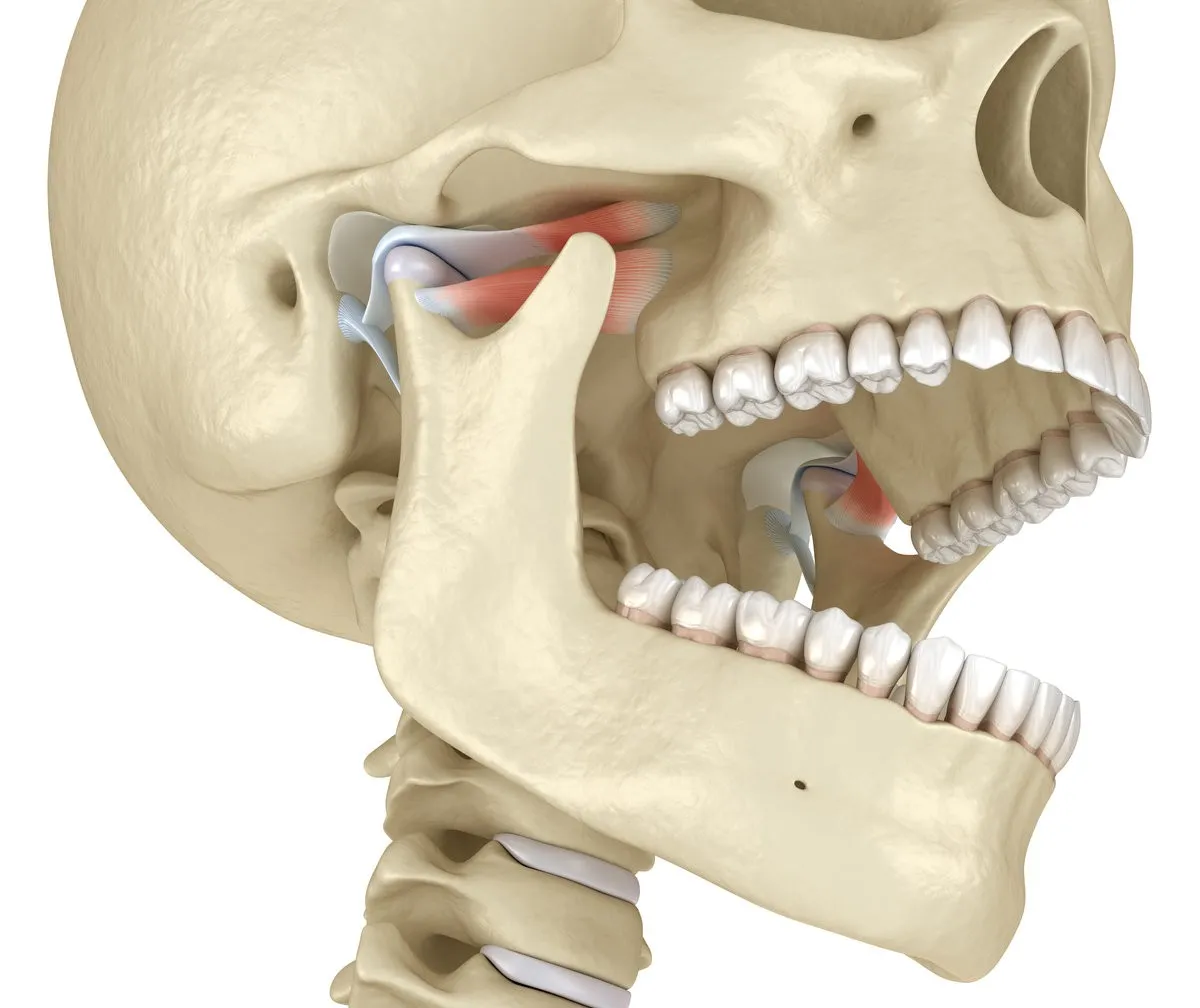
The temporomandibular joint connects your lower jaw to your skull, functioning as a hinge that allows you to open and close your mouth. This complex joint works in coordination with muscles, ligaments, and cartilage to facilitate speaking, chewing, and yawning. When any component of this system becomes damaged or misaligned, TMJ disorder can develop.

Several factors contribute to TMJ dysfunction. Physical trauma to the jaw from accidents or sports injuries can damage the joint structure. Grinding or clenching teeth, particularly during sleep, places excessive stress on the temporomandibular joint. Arthritis can affect this joint just as it affects other joints throughout the body. In some cases, the disc that cushions the joint may slip out of position, causing pain and restricted movement.

Recognizing TMJ Symptoms

TMJ disorders manifest through various symptoms that range from mild inconvenience to significant disruption of daily activities. Pain in the jaw joint area represents the most common complaint, often radiating to the face, neck, and shoulders. Many patients report clicking, popping, or grinding sounds when opening or closing their mouth, though these sounds don’t always accompany pain.

Difficulty opening your mouth wide affects your ability to eat comfortably or receive dental care. Some people experience their jaw locking in an open or closed position temporarily. Headaches frequently accompany TMJ disorders, particularly in the temple area. Ear pain or ringing in the ears can occur even when no ear infection exists, as the temporomandibular joint sits very close to the ear canal.

According to the National Institute of Dental and Craniofacial Research, over 10 million Americans experience TMJ disorders at any given time. While the condition affects people of all ages, it occurs most frequently in adults between 20 and 40 years old.

Transform Your Smile Today

Book NowCall Now

When Advanced Treatment Becomes Necessary

If conservative treatments don’t provide adequate relief after several weeks, more advanced interventions may be appropriate. Prescription medications can address inflammation and muscle tension that over-the-counter remedies don’t fully control. Muscle relaxants help reduce nighttime clenching, while anti-inflammatory medications target joint inflammation directly.

Dental work sometimes becomes necessary when bite misalignment contributes to TMJ problems. Adjusting the biting surfaces of teeth, replacing missing teeth with dental bridges or dental implants, or using orthodontic treatment like Invisalign can correct alignment issues that stress the jaw joint.

In persistent cases that don’t respond to other treatments, injections may provide relief. Corticosteroid injections reduce inflammation within the joint itself. Some practitioners use trigger point injections to release chronically tight jaw muscles. These procedures are performed in-office and typically provide several weeks or months of symptom relief.

Making an Appointment for TMJ Evaluation

Several situations warrant scheduling an appointment with your dentist for TMJ evaluation. Persistent jaw pain that lasts more than a week deserves professional assessment, even if the discomfort seems minor. Difficulty opening your mouth wide enough to eat comfortably or receive dental care requires prompt attention.

Don’t wait until symptoms become severe before seeking help. Early intervention with conservative treatments often prevents the condition from progressing to a point where more extensive treatment becomes necessary. TMJ disorders rarely resolve completely on their own without addressing the underlying causes.

What to Expect During Your Visit

Your TMJ evaluation at Colonia Dental Associates begins with a detailed discussion of your symptoms, including when they started, what makes them better or worse, and how they affect your daily activities. This conversation helps identify potential contributing factors and guides the examination process. The physical examination involves assessing jaw movement and range of motion. Your dentist will listen for clicking or popping sounds and feel for tenderness in the jaw muscles and joint area. Examining your teeth can reveal signs of grinding or clenching, such as worn enamel or cracked teeth. Your bite alignment will be evaluated to identify any issues that might contribute to joint stress.

Based on the examination findings, your dentist will discuss treatment options appropriate for your specific situation. Treatment plans are customized to address your symptoms while considering your overall health, lifestyle, and preferences. Many patients experience significant improvement within a few weeks of starting conservative treatment.

Schedule Your TMJ Consultation at Colonia Dental Associates

Colonia Dental Associates provides comprehensive evaluation and treatment for TMJ disorders affecting patients throughout the Colonia and surrounding New Jersey communities. Dr. Apratim and Dr. Singh combine their extensive training with a patient-centered approach that prioritizes your comfort and long-term jaw health. As Associate Fellows of the American Academy of Implant Dentistry with advanced training in complex dental cases, they understand how bite alignment and jaw function work together to maintain oral health.

Living with jaw pain and limited function doesn’t have to be your reality. Our team will work with you to identify the cause of your symptoms and develop a treatment plan that provides lasting relief. Visit our contact page to schedule your TMJ evaluation and take the first step toward comfortable jaw function.

The Complete Guide to Night Guards: Protecting Your Teeth While You Sleep

A night guard is a custom-fitted dental appliance you wear while sleeping to protect your teeth from grinding and clenching. If you wake up with jaw pain, headaches, or notice your teeth becoming worn down, a night guard can prevent further damage and provide relief from these symptoms. These protective devices work by creating a cushioning barrier between your upper and lower teeth.

At Colonia Dental Associates, Dr. Singh and Dr. Apratim provide custom night guards to help patients throughout Woodbridge, Colonia, and the surrounding areas protect their smiles from the effects of nighttime teeth grinding. Our general dentistry services include comprehensive solutions for preventing and treating the consequences of bruxism.

What Causes Teeth Grinding at Night?

Teeth grinding and clenching, medically known as bruxism, happens for several reasons. Stress and anxiety are the most common triggers, as tension accumulates throughout the day and manifests during sleep. Sleep disorders like sleep apnea can also contribute to grinding, as your body struggles to maintain proper breathing patterns. Other factors include misaligned teeth, an abnormal bite, or missing teeth, creating an uneven surface when your jaws close.

Certain medications, particularly some antidepressants, can increase the likelihood of grinding. Lifestyle habits such as excessive caffeine consumption, alcohol use, and smoking have also been linked to bruxism. Research from the American Dental Association indicates over 70% of dentists observed increased signs of teeth grinding in patients during a 2021 survey, suggesting stress-related grinding has become more prevalent in recent years.

Signs You Need a Night Guard

Many people grind their teeth without realizing it until damage becomes visible. Recognizing the warning signs early can help you protect your teeth before serious harm occurs.

Common symptoms include:

  • Waking with a sore jaw or facial muscles,
  • Frequent morning headaches, especially around the temples, and
  • Grinding sounds during the night, your partner might notice.

Physical changes to your teeth include flattened, fractured, or chipped tooth surfaces. You might develop increased tooth sensitivity to hot or cold foods and beverages as the protective enamel wears away. Indentations along the inside of your cheeks or tongue, caused by pressing them against your teeth, are also common indicators. If you notice any of these symptoms, schedule a consultation to determine whether a night guard could help protect your teeth.

Transform Your Smile Today

Transform Your Smile Today

Book NowCall Now

How Night Guards Protect Your Teeth

Night guards create a physical barrier between your upper and lower teeth, preventing direct contact during grinding episodes. This barrier absorbs and distributes the force of clenching across the guard’s surface rather than concentrating it on individual teeth. By doing so, they prevent the gradual wearing down of tooth enamel, the hardest substance in your body, but still vulnerable to repeated grinding forces.

The protective appliance also helps reduce muscle tension in your jaw. When you wear a night guard, your jaw muscles often relax because they encounter resistance rather than the hard surface of opposing teeth. This can decrease the intensity of grinding episodes over time. Night guards maintain proper spacing between your jaws, preventing excessive pressure on your temporomandibular joint. This spacing helps minimize jaw pain, clicking sounds, and the risk of developing TMJ disorders.

The Custom Fitting Process

Getting a custom night guard starts with a thorough dental examination. Your dentist will assess your teeth for signs of grinding damage, check your bite alignment, and evaluate your jaw function. This examination helps determine which type of night guard will work best for your specific situation.

The next step involves taking detailed impressions of your teeth. These impressions capture the exact shape and position of your teeth, ensuring your night guard fits perfectly. The impressions are sent to a dental laboratory where skilled technicians fabricate your custom guard. This process typically takes one to two weeks. Once your night guard is ready, you’ll return for a fitting appointment where your dentist will check the fit, make any necessary adjustments, and show you how to properly insert and remove the guard.

Caring for Your Night Guard

Proper maintenance extends the life of your night guard and keeps it hygienic. Rinse your guard with cool water immediately after removing it each morning. Use a soft toothbrush and mild soap or denture cleaner to gently clean all surfaces. Avoid hot water, which can warp the material and alter the fit. Store your night guard in its protective case when not in use to prevent damage and contamination while allowing proper air circulation to keep it dry.

Deep clean your night guard weekly using a denture cleaning tablet or a mixture of equal parts water and white vinegar. Let it soak for about 30 minutes, then rinse thoroughly. Bring your night guard to your regular dental checkups so your dentist can inspect it for signs of wear or damage. Most custom night guards last between one and five years with proper care, though this varies based on grinding severity and maintenance habits.

When to Replace Your Night Guard

Even with excellent care, night guards don’t last forever. Visible signs of wear include holes, tears, or thin spots in the material. If your night guard becomes loose or no longer fits snugly, it’s no longer providing adequate protection. Cracks or fractures, even small ones, compromise the guard’s structural integrity and require replacement.

Changes in your dental work also necessitate a new night guard. If you get dental veneers, crowns, bridges, or have teeth extracted, your old guard won’t fit properly. Schedule an appointment to have a new impression taken and a replacement guard made.

Schedule Your Consultation at Colonia Dental Associates

Protecting your teeth from grinding damage is essential for maintaining a healthy smile. If you experience symptoms of teeth grinding or want to learn more about whether a night guard is right for you, the team at Colonia Dental Associates is here to help. Dr. Singh, an Associate Fellow of the American Academy of Implant Dentistry, and Dr. Apratim provide comprehensive dental care with a focus on preventive solutions.

Don’t wait for grinding to cause irreversible damage to your teeth. Contact our office today to schedule a consultation and take the first step toward protecting your smile while you sleep.

The Importance of Choosing an Experienced Dentist for Complex Dental Work

Complex dental procedures like dental implants, full mouth reconstruction, and advanced cosmetic treatments require precision, expertise, and a deep understanding of dental anatomy. When facing significant dental work, the dentist you choose can make the difference between a successful outcome that lasts for years and complications that require additional treatment. While it may be tempting to select a provider based solely on convenience or cost, the experience and skill of your dentist should be the primary factors in your decision.

At Colonia Dental Associates in Woodbridge, we understand that complex dental procedures represent a significant investment in your health and confidence. Our team has extensive experience performing advanced dental treatments, from single tooth implants to complete smile reconstructions. We believe that patients deserve to know why experience matters when it comes to complex dental work and how to identify a qualified provider who can deliver the results you need.

Why Experience Makes a Difference

An experienced dentist has performed procedures hundreds or even thousands of times, developing the refined technique and problem-solving skills that come only through repetition. This experience allows them to anticipate potential complications before they occur and adjust their approach based on your unique anatomy and circumstances. Dental anatomy varies significantly from person to person, and experienced dentists have encountered a wide range of variations that inform their treatment planning. They know how to adapt techniques when unexpected challenges arise during a procedure, maintaining composure and finding solutions that less experienced providers might struggle with.

Technical Precision and Judgment

Complex procedures require precise measurements, angles, and placement that can only be mastered through extensive practice. For dental implants, even a small error in angulation can affect how the final restoration fits and functions, potentially leading to problems years down the line. Experienced dentists have developed the hand-eye coordination and spatial awareness necessary to work in the confined space of the mouth with accuracy. They also possess better judgment about when to proceed with a procedure and when additional preparation or an alternative approach would serve you better. This clinical judgment, developed over years of practice, protects you from unnecessary complications and ensures the best possible outcome for your situation.

Knowledge of Materials and Techniques

Dental technology and materials constantly evolve, and experienced dentists stay current with the latest advances while understanding which innovations truly improve patient outcomes. They have worked with various materials and techniques over the years, giving them perspective on what works best for different situations. This knowledge allows them to select the right materials for your specific needs rather than taking a one-size-fits-all approach. An experienced provider can also draw on their history with different products and methods to make informed recommendations based on real-world results, not just marketing claims from manufacturers.

Transform Your Smile Today

Book NowCall Now

Questions You Can Ask Your Potential Dentist

When evaluating a dentist for complex dental work, start by asking about their specific experience with your procedure. How many times have they performed this treatment, and what is their success rate? Request to see before-and-after photos of similar cases they have completed, paying attention to results that look natural and well-executed. Ask about their training beyond dental school, including any continuing education, certifications, or specialized programs related to your treatment. Understanding their complication rate and how they handle problems when they arise provides insight into their honesty and problem-solving abilities.

Inquire about the technology and materials they use, and why they have selected those particular options. Ask about their approach to pain management and sedation if relevant to your procedure. Understanding the timeline for your treatment, including how many appointments will be required and what the recovery process looks like, helps you plan accordingly. You should also discuss costs upfront, including what happens if additional work becomes necessary during the procedure. Finally, ask if they work with specialists for any aspects of your treatment or if they perform everything themselves, as collaboration with specialists can be beneficial for complex cases.

Schedule a Check-Up at Colonia Dental Associates Today

At Colonia Dental Associates, we have built our Woodbridge practice on a foundation of experience, continuing education, and a commitment to exceptional patient care. Our team regularly performs complex dental procedures including implants, full mouth reconstructions, and advanced cosmetic treatments. We take the time to thoroughly evaluate each case, discuss all available options, and create personalized treatment plans that address your unique needs and goals. As a fee-for-service practice, we focus on quality outcomes rather than rushing through appointments, ensuring you receive the attention and care that complex dental work requires.

We offer flexible financing options through Cherry and Care Credit to make complex dental procedures more accessible, and we work with patients who have out-of-network dental benefits to maximize their reimbursement. When you choose our practice for your complex dental work, you’re choosing a team that values transparency, communication, and proven results. Contact Colonia Dental Associates today to schedule a consultation and learn how our experience can help you achieve the healthy, beautiful smile you deserve.

The Science Behind Modern Dental Materials: Why Quality Matters in Cosmetic Dentistry

The materials used in cosmetic dentistry have evolved dramatically over the past few decades, transforming what’s possible in smile restoration and enhancement. Advanced ceramics, composite resins, and biocompatible metals now allow dentists to create restorations that look remarkably natural while providing exceptional durability and longevity. However, not all dental materials are created equal, and the quality of materials your dentist selects can significantly impact both the appearance and lifespan of your cosmetic dental work.

At Colonia Dental Associates in Woodbridge, we understand that investing in cosmetic dentistry means investing in materials that will stand the test of time. Our commitment to using high-quality dental materials ensures that our patients receive restorations that look beautiful, function properly, and last for years. We believe you deserve to understand what goes into your dental work and why the science behind these materials matters for your long-term satisfaction and oral health.

The Evolution of Dental Materials

Dental materials have progressed far beyond the obvious metal fillings and ill-fitting dentures of the past. Modern cosmetic dentistry relies on sophisticated materials engineered at the molecular level to mimic the properties of natural teeth. Porcelain and ceramic materials now replicate the translucency, color depth, and light-reflecting qualities of tooth enamel with remarkable accuracy. These advanced ceramics can be layered and shaded to match your existing teeth so precisely that even dental professionals have difficulty distinguishing them from natural tooth structure. The development of materials like lithium disilicate and zirconia has revolutionized what we can achieve in terms of both aesthetics and strength.

Composite resins used in bonding and white fillings have similarly advanced, now incorporating nanoparticles that improve their strength, polish retention, and stain resistance. The chemistry behind these materials allows them to bond molecularly to tooth structure, creating restorations that are not just placed on teeth but become integrated with them. This bonding capability means that modern restorations can actually strengthen weakened teeth rather than simply covering damage. The science of biocompatibility has also advanced significantly, with materials now designed to work harmoniously with oral tissues, reducing the risk of allergic reactions, gum irritation, and other complications that plagued earlier dental materials.

Why Material Quality Affects Longevity

The quality of dental materials directly impacts how long your cosmetic restorations will last and how well they will perform over time. High-quality porcelain veneers, for example, resist staining and chipping far better than lower-grade alternatives. According to the Cleveland Clinic, veneers can last 10-15 years with proper care, but this longevity depends heavily on the quality of the porcelain used and the precision of the fabrication process. Premium materials maintain their color stability even when exposed to coffee, tea, red wine, and other staining substances that would discolor inferior products. They also better withstand the constant forces of chewing and the temperature changes that occur in your mouth throughout each day.

The molecular structure of high-quality dental materials provides superior resistance to wear and fracture. Lower-quality materials may initially look acceptable but can deteriorate relatively quickly, developing cracks, chips, or discoloration that compromise both appearance and function. Premium dental ceramics are processed at higher temperatures and under more controlled conditions, resulting in a denser, more uniform material with fewer microscopic flaws that could become failure points. The margins where restorations meet natural tooth structure also benefit from quality materials, as precise fit and excellent bonding properties help prevent the gap formation and decay that can occur around poorly made restorations. When you invest in cosmetic dentistry, choosing quality materials means fewer replacements, less maintenance, and better long-term value despite higher initial costs.

Transform Your Smile Today

Book NowCall Now

The Aesthetic Differences in Material Quality

The visual difference between premium and standard dental materials becomes apparent when comparing restorations side by side or over time. High-quality ceramics possess multiple layers that mimic the natural depth and translucency of tooth enamel, while lower-quality materials often appear flat, opaque, or overly white. Natural teeth have subtle color variations, translucency at the edges, and light-reflecting properties that change depending on the angle and lighting conditions. Premium dental materials replicate these characteristics through sophisticated layering techniques and carefully formulated compositions that interact with light in the same way as natural enamel and dentin.

Color Stability and Natural Appearance

The pigments and stains used to color premium dental materials are more stable and fade-resistant than those in economy options. This color stability ensures that your veneers, crowns, or other restorations continue to match your natural teeth years after placement. Lower-quality materials may gradually shift in color or develop a yellowed appearance that makes them stand out against your natural tooth structure. The surface texture of quality materials also better mimics natural enamel, with the subtle imperfections and light-reflecting properties that make teeth look real rather than artificial. Skilled ceramists can achieve remarkable results with premium materials, creating restorations that blend seamlessly with your smile and enhance your appearance without looking obviously fake or overdone.

How Material Quality Impacts Your Oral Health

Beyond aesthetics and durability, the quality of dental materials affects your overall oral health and the health of surrounding tissues. Premium materials are formulated with biocompatibility as a primary concern, meaning they work harmoniously with your gums, bone, and natural teeth without causing inflammation or adverse reactions. High-quality ceramics have smooth, non-porous surfaces that resist bacterial accumulation, making them easier to keep clean and reducing your risk of gum disease around restorations. In contrast, lower-quality materials may have microscopic surface imperfections where bacteria can colonize, potentially leading to inflammation, decay, or bad breath despite good oral hygiene habits.

The precision fit achievable with quality materials also protects your oral health by preventing the gaps and overhangs that can trap food and bacteria. When restorations fit accurately against your natural tooth structure, they create a seal that helps prevent decay from forming underneath or around the margins. Quality materials used in dental implants and implant restorations promote proper integration with bone and soft tissue, supporting long-term stability and health. The titanium used in premium implants undergoes rigorous quality control to ensure optimal osseointegration, while the abutments and crowns placed on implants benefit from materials specifically designed to withstand the unique forces and conditions of the implant environment. Investing in quality materials protects not just the restoration itself but the supporting structures that determine your long-term oral health and function.

Quality Materials at Colonia Dental Associates

At Colonia Dental Associates, we believe that our patients deserve the best materials available for their cosmetic dental work. We carefully select products from reputable manufacturers with proven track records of quality, performance, and biocompatibility. Our commitment to excellence means we never compromise on material quality to reduce costs, understanding that the materials we use directly impact your satisfaction, oral health, and the longevity of your investment. We work with skilled dental laboratories that share our commitment to precision and quality, ensuring that every restoration we place meets our exacting standards.

We offer flexible financing through Cherry and Care Credit to make premium cosmetic dentistry accessible without requiring you to accept inferior materials. As a fee-for-service practice, we focus on delivering exceptional quality rather than maximizing volume, giving us the time and resources to work with the best materials and techniques available. Whether you’re considering veneers, crowns, implants, or a complete smile makeover, you can trust that we will use materials backed by science and proven by results. Contact Colonia Dental Associates today to schedule a consultation and learn how our commitment to quality materials can help you achieve a beautiful, lasting smile.

Why Invisalign Adults Are Choosing Colonia Dental Associates Over Corporate Providers

Straightening your teeth as an adult requires a significant investment of time and money, making your choice of provider one of the most important decisions in your treatment journey. While corporate dental chains advertise convenience and low prices for Invisalign treatment, many adults are discovering that these benefits come with hidden costs. Rushed appointments, inconsistent providers, high-pressure sales tactics, and cookie-cutter treatment plans can compromise your results and leave you feeling like just another number in a high-volume operation.

At Colonia Dental Associates in Woodbridge, we take a different approach to Invisalign treatment. As a fee-for-service practice, we prioritize quality care and personalized attention over maximizing patient volume. Our team understands that adult patients have unique concerns, busy schedules, and specific aesthetic goals that deserve individualized treatment planning. We believe you should know exactly what sets a patient-focused practice apart from corporate providers and why more adults are choosing personalized care for their orthodontic treatment.

Personalized Treatment Planning and Attention

Corporate dental providers often follow standardized protocols that leave little room for customization based on your unique dental anatomy, lifestyle, or aesthetic preferences. Treatment plans may be created by technicians at corporate headquarters rather than by the dentist who will actually oversee your care, resulting in generic approaches that don’t account for individual variations. Appointments at high-volume practices are typically brief, with limited time for questions, concerns, or adjustments to your treatment plan as your teeth shift. This assembly-line approach may work for simple cases, but adult orthodontics often involves complexities like previous dental work, gum health considerations, or bite issues that require more thoughtful planning.

At our Woodbridge practice, we take the time to thoroughly evaluate your teeth, bite, and facial structure before recommending Invisalign treatment. We discuss your specific goals, whether you’re primarily concerned about crowding, gaps, bite alignment, or overall smile aesthetics. Your treatment plan is created with your input and adjusted as needed throughout the process to ensure optimal results. We schedule adequate appointment times so you never feel rushed, and we’re always available to address questions or concerns between visits. This personalized attention means better outcomes, fewer complications, and a treatment experience that respects your time and investment.

Experience and Commitment to Quality Results

The success of Invisalign treatment depends heavily on the skill and experience of the provider managing your case. According to the American Association of Orthodontics, most patients wear clear aligners for 20-22 hours per day, only removing them for meals and oral hygiene. However, achieving excellent results requires more than just wearing the aligners as directed. Your dentist must accurately predict tooth movement, identify potential obstacles, and make timely adjustments when teeth don’t respond as expected. Corporate providers often employ recent dental school graduates or rotate patients between multiple dentists, resulting in inconsistent care and less experienced oversight of your case.

Our team has extensive experience with Invisalign treatment for adult patients, including complex cases involving previous orthodontics, significant crowding, or bite corrections. We’ve managed hundreds of aligner cases and understand the nuances that separate good results from exceptional ones. When challenges arise during treatment, such as teeth that aren’t tracking properly or attachments that need repositioning, we have the experience to identify issues early and make appropriate corrections. We also coordinate Invisalign treatment with other cosmetic procedures when needed, such as veneers or whitening, to achieve comprehensive smile transformations that corporate providers may not offer. This continuity of care and depth of experience translates to better outcomes and fewer treatment delays.

Transform Your Smile Today

Book NowCall Now

Transparent Pricing and Financing Options

Corporate dental providers often advertise low monthly payments for Invisalign treatment, but these promotions may come with hidden fees, high-interest financing, or requirements to sign up for in-house payment plans with unfavorable terms. The total cost of treatment can be difficult to determine upfront, and you may discover additional charges for refinements, retainers, or other necessary components of comprehensive orthodontic care. Some corporate chains also pressure patients to purchase unnecessary add-ons or upgrades that increase costs without significantly improving results.

We believe in transparent pricing and provide detailed cost estimates before you commit to treatment. We offer flexible financing through Cherry and Care Credit, with competitive rates that may include 0% financing for qualified patients. Unlike corporate payment plans that tie you to their practice, these third-party financing options give you freedom and flexibility. We also work with patients who have out-of-network dental insurance benefits, helping you maximize your reimbursement and making Invisalign treatment more affordable. Our team explains all costs upfront, including any potential additional expenses, so you can make an informed decision without surprises.

Experience the Colonia Dental Associates Difference

At Colonia Dental Associates, we’re proud to offer an alternative to the impersonal, high-pressure environment of corporate dental providers. Our commitment to personalized care, experienced treatment planning, and patient-focused service has made us the choice for adults throughout Woodbridge, Colonia, and surrounding communities who want excellent Invisalign results without compromising on quality or attention. When you choose our practice for your orthodontic treatment, you’re choosing a team that values relationships over transactions and results over volume.

Ready to straighten your smile with a practice that puts your needs first? Contact Colonia Dental Associates today to schedule your Invisalign consultation and discover the difference that personalized care makes in achieving the confident smile you deserve.

Click to listen highlighted text!